Why Was Prince Philip Never King? The Consort Rule Explained
Prince Philip stood beside the Queen for seven decades and was never crowned King. Here is the centuries-old rule that decided it.
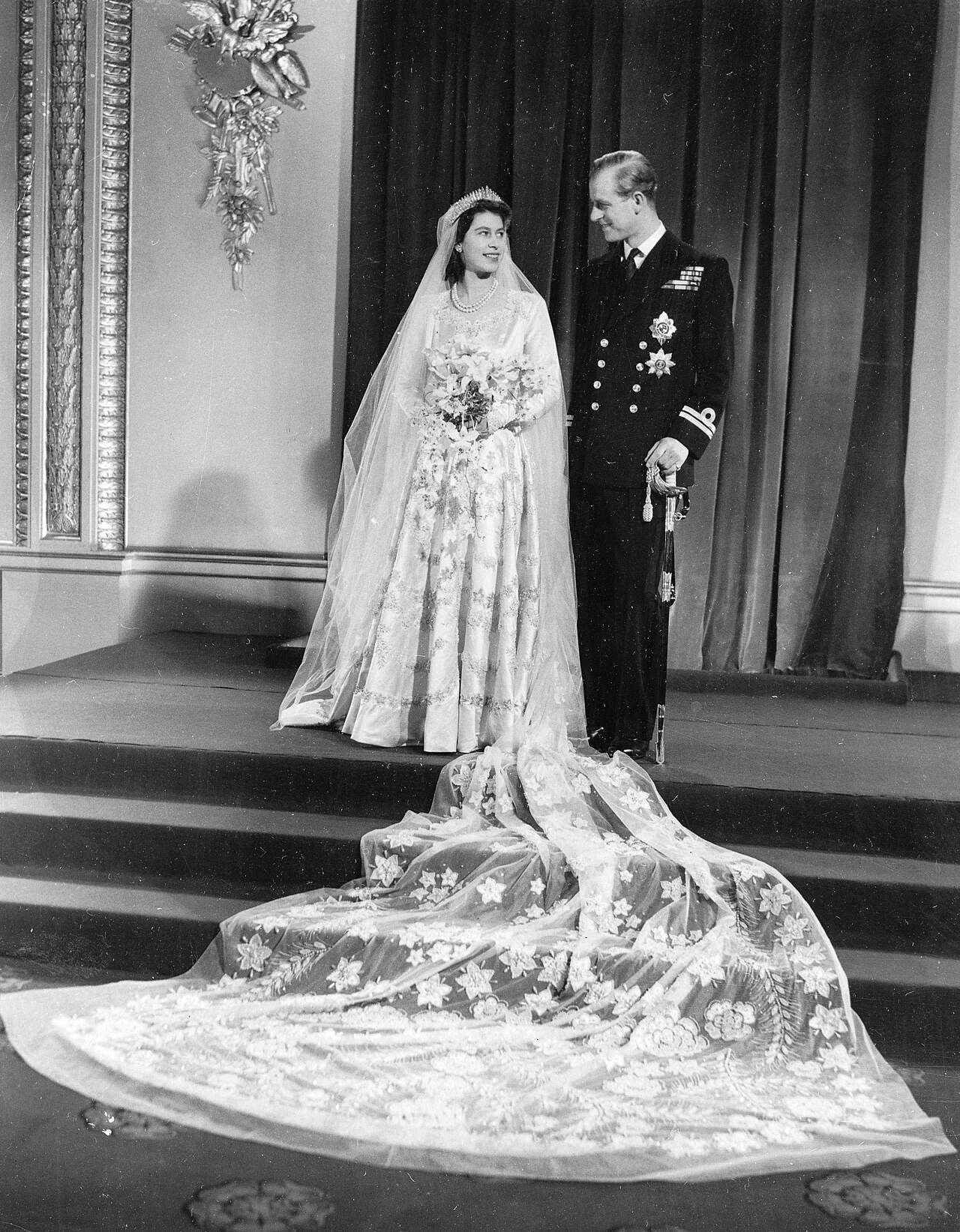
Prince Philip spent 73 years married to Queen Elizabeth II, longer than any consort in British royal history, present at her side for coronations, state visits and seven decades of public duty. He was never, for a single day of it, King. The reason has nothing to do with Philip personally and everything to do with a rule so old and so consistently applied that most people have never noticed it operating.
The rule: a king’s wife becomes queen, a queen’s husband does not become king
The title of King is reserved, under British constitutional convention, for a monarch who reigns in their own right, whether by inheriting the crown directly or, historically, by marrying a reigning queen regnant in a small number of specific joint-monarchy arrangements centuries ago. A man who marries a reigning queen in the ordinary sense does not become king simply through marriage; he becomes her consort. This asymmetry is deliberate and long-standing: a woman who marries a king automatically becomes Queen, because “Queen” in that context describes a royal wife’s rank rather than sovereign authority, whereas “King” specifically denotes the person who reigns. There has never been an equivalent honorary “King” title extended purely through marriage.
Philip actively turned down “Prince Consort”
Philip was not simply denied a grander title against his wishes; the historical record shows the opposite happened with the specific title of Prince Consort. That style, most famously held by Queen Victoria’s husband Albert, was offered to Philip and he reportedly declined it. Instead, in 1957, Elizabeth II issued Letters Patent granting him the style and titular dignity of a Prince of the United Kingdom, formally making him Prince Philip, adding a personal royal rank to the Duke of Edinburgh title he had held since their 1947 wedding, without ever creating any version of “king” attached to his name.
He gave up his own royal titles to marry her
Philip’s route into the family involved giving up titles, not gaining a crown. Born a Prince of Greece and Denmark, he renounced his foreign royal titles and Greek Orthodox faith before the wedding, becoming a naturalised British subject and taking the surname Mountbatten, an anglicisation of his mother’s family name Battenberg. King George VI then created him Duke of Edinburgh on the morning of the wedding in 1947, a title that would remain his primary public identity for the rest of his life, elevated further by the personal “Prince” style a decade later.
Camilla’s situation shows the rule runs the other way
The asymmetry becomes clearest by comparison. When Charles became King in 2022, Camilla automatically became Queen, formally styled Queen Camilla from 2023, precisely because she is the wife of a reigning king; that transition required no special constitutional innovation because it follows the standard rule. Had the genders been reversed, had Elizabeth been the King’s husband rather than his wife, the outcome would have been identical to Philip’s: a consort title, not sovereignty, regardless of how central a role that person played in the institution.
A role he shaped despite the title
None of this reflects Philip’s actual importance to the institution, and the monarchy itself has been consistently generous in describing his contribution. Queen Elizabeth II herself publicly credited him as her “strength and stay” across decades of speeches, and Philip built an independent public legacy through the Duke of Edinburgh’s Award, the youth achievement scheme he founded in 1956 that has since reached millions of young people worldwide. His influence on the modern monarchy’s public presentation, from the decision to televise the 1953 coronation to his decades of patronages, was substantial and lasting, entirely independent of what title he carried.
The title now belongs to his youngest son
The Duke of Edinburgh title did not disappear with Philip’s death in 2021; King Charles III conferred it on his youngest brother, Prince Edward, on Edward’s 59th birthday in March 2023, continuing a title that traces back through the family and now carries Philip’s own legacy of youth work forward into a new generation.
For a fuller picture of the man behind the title, several thorough Prince Philip biographies trace his life from Corfu to the Coronation and beyond.
Browse more of our Royal Figures stories for how royal titles actually work behind the ceremony.
Frequently asked questions
Why didn’t Prince Philip become king when he married Elizabeth?
British constitutional convention reserves the title King for a monarch who reigns in their own right. A queen regnant’s husband becomes her consort, not a joint monarch, the mirror opposite of how a king’s wife automatically becomes Queen.
Did Prince Philip have the option to be called King Consort?
No such title exists in British tradition. He was offered the historical title Prince Consort, held previously by Prince Albert, and reportedly declined it, remaining Duke of Edinburgh with the additional personal style of Prince from 1957.
What title did Prince Philip hold?
His Royal Highness The Prince Philip, Duke of Edinburgh, a title granted on his wedding day in 1947 and elevated with the formal “Prince” style a decade later in 1957.
Why did Camilla become Queen but Philip didn’t become King?
The rule runs one way: a king’s wife automatically becomes Queen, but a queen’s husband does not automatically become King. Camilla’s title followed standard convention because Charles is a reigning king; Philip’s situation was the reverse case, where the rule works differently.
What titles did Prince Philip give up to marry Elizabeth?
He renounced his titles as a Prince of Greece and Denmark, gave up his Greek Orthodox faith, and became a naturalised British subject before the 1947 wedding.
Who holds the Duke of Edinburgh title now?
Prince Edward, King Charles III’s youngest brother, who received the title from the King on his 59th birthday in March 2023.
Title and constitutional details are drawn from the 1957 Letters Patent and standard royal-historical and constitutional references; correct as of 2026.