Meghan Markle's Sun-Protection Secret Every Royal Fan Should Know
Meghan Markle pairs a mineral SPF 50 face sunscreen with a dedicated lip SPF, a simple, unglamorous habit behind her glow that any royal fan can copy today.
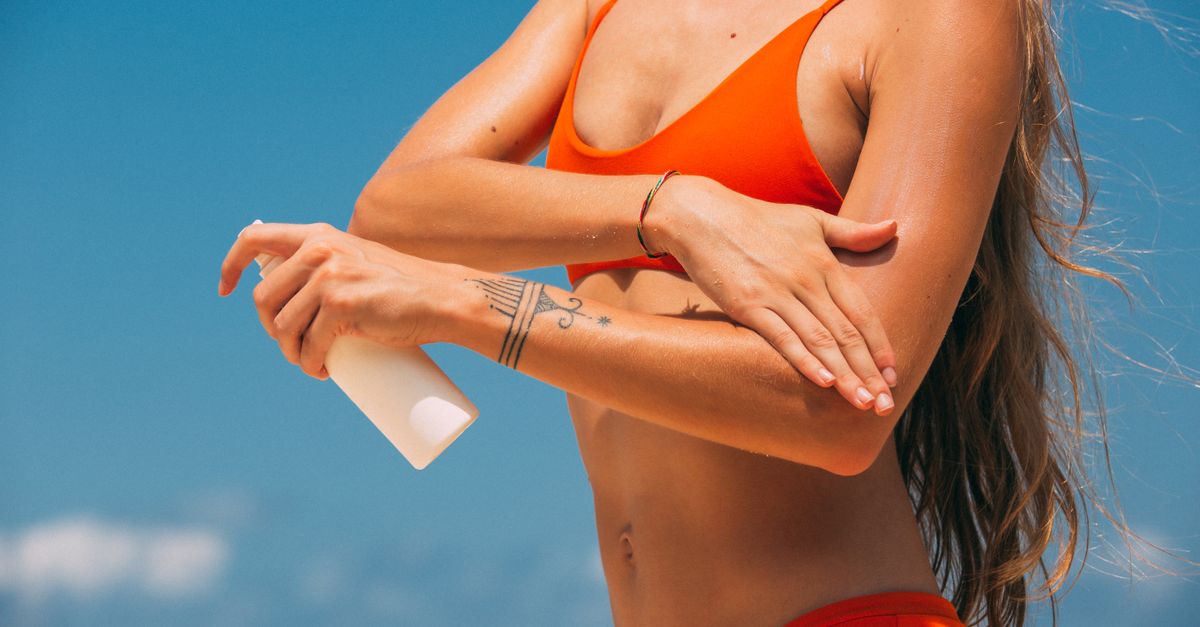
Every royal beauty story eventually circles back to the same unglamorous truth: the real secret is sun protection. Meghan Markle’s glow, so often credited to serums and highlighters, actually starts with two much quieter products: a mineral face sunscreen she reaches for daily, and a lip balm most people never think to treat with SPF at all.
It is a habit rather than a headline, which is exactly why it works. Where red-carpet beauty routines tend to change with every season, Meghan’s sun-protection choices have stayed consistent for years, repeated in interviews and credited by the people who prepare her skin for the camera.
Here is the two-part routine behind it: the face sunscreen, the lip treatment, and why dermatologists would tell you both matter more than almost anything else in a beauty bag.
The face sunscreen she keeps repurchasing
Meghan’s go-to face SPF is Tatcha’s The Silk Sunscreen, a broad-spectrum SPF 50 mineral formula built around zinc oxide and hyaluronic acid. It has become one of the brand’s most talked-about launches, selling out within seconds of restocking, a rare thing for a sunscreen rather than a serum or a lipstick. We have covered Tatcha’s wider hold on Meghan’s routine in our Tatcha beauty edit and the story of her decade-long loyalty to the brand, so here the focus stays narrow: this is specifically the product doing the sun-protection work.
The formula is designed to sit invisibly under make-up rather than leaving the chalky cast associated with older mineral sunscreens, which is precisely why it has become a favourite among people who wear SPF as their base layer, not as an afterthought applied once and forgotten.
The lip treatment nobody remembers to apply
Less discussed, but arguably more telling, is Meghan’s use of Fresh’s Sugar Lip Treatment Sunscreen SPF 15. She has called it, in her own words, the very best lip balm she has tried, describing it as delivering “soft, kissable, buttery lips.” What makes the choice notable is not the flattery but the SPF rating sitting quietly inside a product most people buy purely for hydration.
Lips are thin-skinned, low in melanin, and almost never covered by the sunscreen applied to the rest of the face. A lip balm that happens to carry broad-spectrum protection closes that gap without adding a single extra step to a morning routine, which is precisely the kind of low-effort consistency that ages far better than an elaborate ten-step regime.
Why mineral SPF 50 is the dermatologist’s default
Sunscreens broadly split into two camps: mineral, which sits on the skin’s surface and physically deflects UV rays using ingredients like zinc oxide, and chemical, which absorbs UV radiation and converts it to heat. Dermatologists frequently favour mineral formulas for daily facial use because they tend to be gentler on sensitive or reactive skin and begin working immediately on application, with no waiting period required.
SPF 50 specifically blocks around 98 percent of UVB rays, compared with roughly 97 percent for SPF 30, a narrow-looking gap that matters over years of cumulative exposure, particularly for anyone regularly photographed, or simply anyone who spends real time outdoors. Broad-spectrum labelling is the other non-negotiable: it confirms protection against both UVA rays, which drive premature ageing, and UVB rays, which cause burning.
The lips: skin’s most forgotten sun-exposed surface
Dermatology guidance is consistent on one frequently ignored point: lips are skin too, and thinner, more delicate skin at that. They lack the protective melanin that darker or more sun-adapted skin elsewhere on the face provides, which leaves them more vulnerable to sunburn, premature thinning of the lip border, and, over decades of unprotected exposure, an elevated risk of skin cancer on the lip itself.
Yet lip SPF remains one of the most commonly skipped steps in an otherwise thorough beauty routine, largely because most lip products are chosen for flavour, shine or colour rather than protection. A treatment balm that folds SPF in alongside hydration, as Meghan’s does, removes the need to remember a separate step. The sun protection happens simply because the balm was already part of the routine.
A habit built for consistency, not occasions
What distinguishes Meghan’s approach from a typical celebrity skincare mention is repetition without spectacle. Neither product was launched as a campaign moment; both are described as routine, reached-for-daily items rather than occasion-only extras kept for red carpets or photo calls. Her long-time makeup artist, Daniel Martin, has spoken more broadly about building her look around skincare preparation first, with sun protection as a foundational layer rather than a finishing touch.
That framing matters because it mirrors exactly what dermatologists recommend and so rarely see followed: sunscreen applied every day, regardless of weather, season or whether a camera happens to be present. A product used only for holidays or high days protects for a fraction of the year; a product built into the daily routine protects for all of it, which is the entire point of the habit in the first place.
Building the two-step routine at home
Recreating the habit does not require an extensive shopping list, which is rather the appeal. A broad-spectrum, mineral SPF 30 or 50 applied as the final step of a morning skincare routine, before make-up, covers the face. A lip treatment that lists an SPF rating on its packaging, applied at the same time and reapplied through the day as needed, covers the part of the face most routines quietly skip.
The habit works best layered simply: cleanse, hydrate, apply sunscreen, then a lip treatment with SPF before any colour or gloss goes on top. Reapplication matters more than product choice for both. Dermatologists generally recommend topping up every two hours with meaningful sun exposure, a detail that is easy to build into a day once the products themselves are already part of the morning ritual.
Why this quiet habit is worth copying
The appeal of Meghan’s sun-protection routine is precisely that it is not glamorous. There is no ten-step ritual, no rare ingredient, no product that requires a waiting list to buy. It is two everyday items, chosen for what they do rather than how they photograph, applied with the kind of consistency that only comes from genuinely believing in the habit rather than performing it for an interview.
That is, in the end, the most useful lesson any royal beauty story can offer: the products that matter most are rarely the ones with the loudest reputation. A good sunscreen and a lip balm with SPF folded in will do more for skin over a decade than almost anything else in a beauty cabinet, which is exactly why Meghan, by every account, has never stopped reaching for both.
Frequently asked questions
What sunscreen does Meghan Markle use on her face?
Meghan Markle’s face SPF is Tatcha’s The Silk Sunscreen, a broad-spectrum SPF 50 mineral formula built around zinc oxide and hyaluronic acid, designed to wear invisibly under make-up.
Does Meghan Markle use SPF on her lips?
Yes. Meghan has named Fresh’s Sugar Lip Treatment Sunscreen SPF 15 as her favourite lip balm, praising its hydration while it also provides broad-spectrum sun protection for the lips.
Why do lips need sunscreen too?
Lips have thinner skin and less melanin than the rest of the face, making them more vulnerable to sun damage, premature thinning and, over time, a higher risk of skin cancer if left consistently unprotected.
Is mineral sunscreen better than chemical sunscreen?
Mineral sunscreens sit on the skin’s surface and physically deflect UV rays, working immediately on application. Dermatologists often recommend them for sensitive or reactive skin, though a correctly applied chemical sunscreen is also effective.
What does SPF 50 actually protect against?
SPF 50 blocks around 98 percent of UVB rays, versus roughly 97 percent for SPF 30. “Broad-spectrum” confirms the formula also protects against UVA rays, which are responsible for premature skin ageing.
How often should sunscreen be reapplied?
Dermatologists generally recommend reapplying sunscreen, including lip SPF, roughly every two hours during meaningful sun exposure, and immediately after swimming or heavy sweating.
Is Tatcha’s Silk Sunscreen the same product featured in Meghan’s other Tatcha favourites?
It is part of the same brand loyalty covered in our features on her Tatcha beauty edit and decade-long Tatcha habit, but it is a distinct, dedicated sun-protection product rather than the hydrating mist or cream discussed there.
Can this sun-protection routine work for any skin type?
Broad-spectrum mineral SPF formulas are generally well tolerated across skin types, including sensitive skin, though anyone with specific skin concerns should patch-test a new product or consult a dermatologist before adopting it daily.
Product details are drawn from public interviews and reporting on Meghan Markle’s stated skincare favourites, brand product listings, and general dermatological guidance on sun protection; only documented statements and widely reported product formulations are described.


