Why Did Edward VIII Abdicate? The 1936 Crisis That Reshaped the Monarchy
A king gave up the throne for love in 1936. Here is what actually happened, and why the crisis quietly built the modern monarchy we know today.
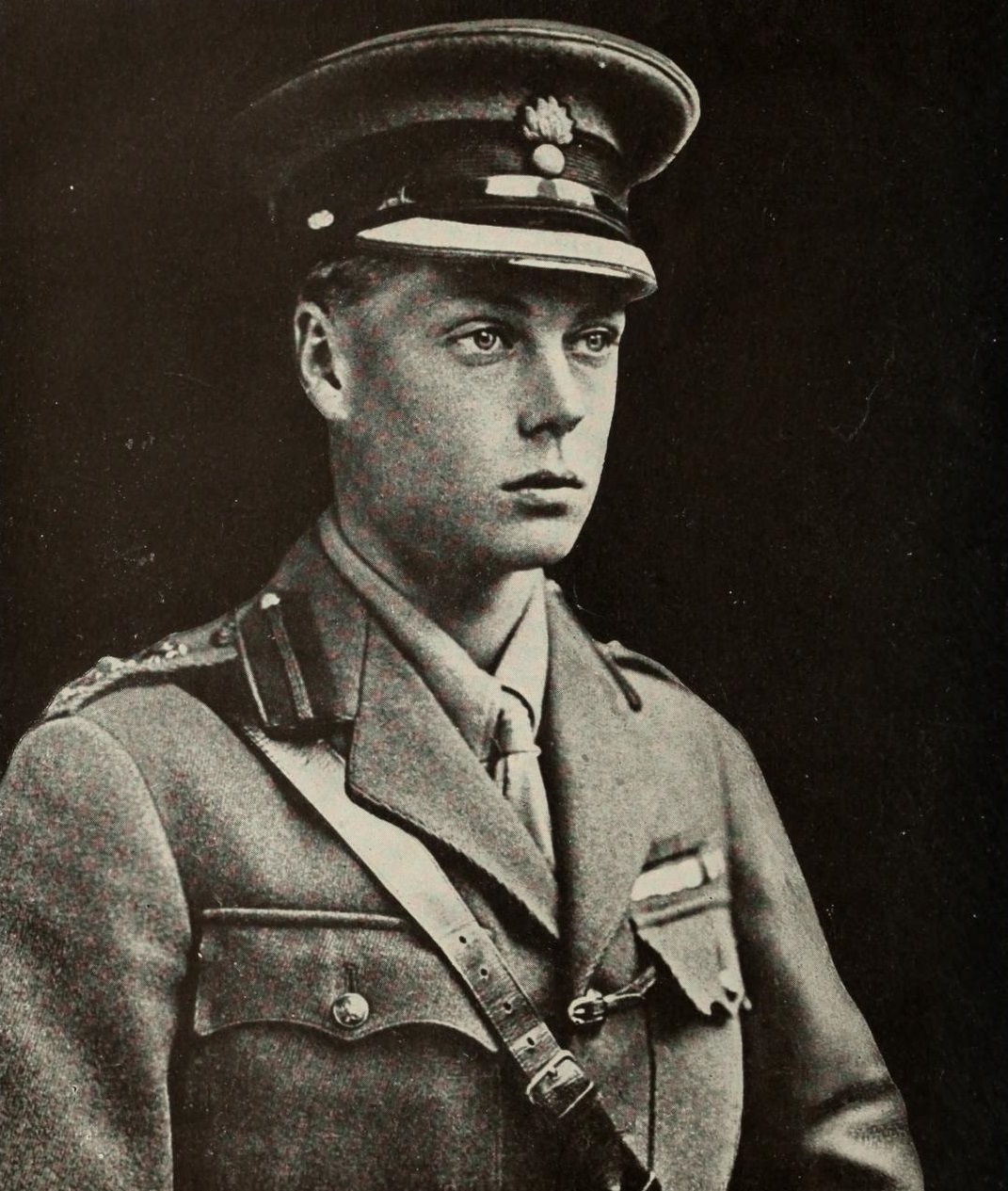
For eleven months, Edward VIII was King of the United Kingdom. Then, on 11 December 1936, he did something no other British monarch had done voluntarily: he gave up the throne entirely, by choice, live on BBC radio, so he could marry the woman he loved. It remains the single most dramatic moment in the modern monarchy’s history, and its consequences are still visible in how the family operates today.
A king who fell in love with the wrong woman, by the rules of the time
Edward met Wallis Simpson, an American socialite, in 1931, while he was still Prince of Wales. Their relationship deepened over the following years, and by the time he acceded to the throne in January 1936 following his father George V’s death, Edward was determined to marry her. The problem was not that Simpson was American, nor even that she was a commoner; British kings had made unconventional matches before. The problem was that she was, by December 1936, in the process of securing her second divorce.
Why a divorced woman was politically impossible
As monarch, Edward held the title Supreme Governor of the Church of England, a church that in 1936 did not permit remarriage after divorce while a former spouse was still living. A king marrying a twice-divorced woman was, in the moral and religious framework of the era, essentially unworkable. The Prime Minister, Stanley Baldwin, told Edward plainly that the government would resign rather than accept the marriage, and the Dominion governments of Australia, Canada, South Africa and New Zealand made clear they felt the same. Edward was left choosing between the crown and Wallis Simpson, with no version of “both” available to him.
Ten days that ended a reign
The crisis moved with remarkable speed once it broke publicly in early December 1936, having been kept out of the deferential British press for months even as American newspapers covered it freely. Edward explored a compromise, a morganatic marriage in which Simpson would not become queen, but the government rejected it outright. By 10 December, Edward had signed the Instrument of Abdication, witnessed by his three younger brothers, and Parliament passed the necessary legislation the following day. That evening, Edward broadcast to the nation and the Empire, explaining that he had found it “impossible to carry the heavy burden of responsibility and to discharge my duties as King as I would wish to do without the help and support of the woman I love.”
The brother who never expected to be king
Edward’s abdication passed the crown to his younger brother, Albert, who took the regnal name George VI, a man who had never been raised or trained to reign and who, by most accounts, dreaded the responsibility being thrust upon him. George VI’s own quiet, dutiful approach to kingship, steadying the monarchy through the Second World War that followed within three years, is often credited with restoring public confidence the crisis had shaken. His daughter, later Queen Elizabeth II, would grow up shaped by watching her father carry a burden he was never supposed to bear.
Where Edward went afterward
Edward married Wallis Simpson in France in June 1937, six months after the abdication, and the couple were given the titles Duke and Duchess of Windsor, though the government specifically denied Simpson the style Her Royal Highness, a decision that reportedly caused lasting resentment. The couple lived largely in exile, mostly in France, for the rest of their lives, occasionally visiting Britain but never again holding any official royal role. Edward died in 1972; Wallis outlived him by fourteen years.
Why this still shapes the monarchy today
The abdication crisis left a permanent institutional memory that visibly still governs royal behaviour today. It demonstrated, starkly, that the monarchy’s survival depends on public and parliamentary consent as much as on hereditary right, a lesson later monarchs have applied carefully to their own marriages and personal choices. It is also the direct reason the current line of succession runs through George VI rather than through any children Edward might have had; he and Wallis had none. Every King and Queen since has reigned in the shadow of a crisis that proved, unmistakably, that the crown answers to something larger than the person wearing it.
For readers who want the full ten days blow by blow, several detailed books on the abdication crisis go considerably deeper than any single article can.
Browse more of our Royal Figures stories for how moments of crisis have shaped the modern monarchy.
Frequently asked questions
Why did Edward VIII abdicate the throne?
He wished to marry Wallis Simpson, an American socialite in the process of her second divorce. As Supreme Governor of the Church of England, which did not then permit remarriage after divorce with a living former spouse, and facing united government opposition, Edward chose to abdicate rather than give her up.
How long was Edward VIII king?
Just under eleven months, from his accession in January 1936 following George V’s death to his abdication on 11 December 1936.
Who became king after Edward VIII abdicated?
His younger brother Albert, who took the regnal name George VI and reigned until 1952. He is the father of Queen Elizabeth II.
Did Wallis Simpson become a royal after the abdication?
She married Edward in 1937 and became Duchess of Windsor, but the British government specifically withheld the style Her Royal Highness from her, a decision that caused lasting friction within the family.
Did Edward VIII have any children who could inherit the throne?
No. Edward and Wallis Simpson had no children, which is part of why the line of succession runs through George VI’s descendants, including Queen Elizabeth II and now King Charles III.
Could a modern monarch abdicate the same way today?
In principle, yes, abdication remains legally possible through similar parliamentary legislation, though no monarch has done so since 1936, and the constitutional and public reaction would likely be significant regardless of circumstances.
Historical details are drawn from standard accounts of the 1936 abdication crisis, including contemporaneous parliamentary and broadcast records; correct as of 2026.