What Role Does the Monarch Play in UK Government?
"The King reigns but does not rule" is a neat phrase. Here is exactly what royal assent, appointing the Prime Minister, and the rest actually involve.
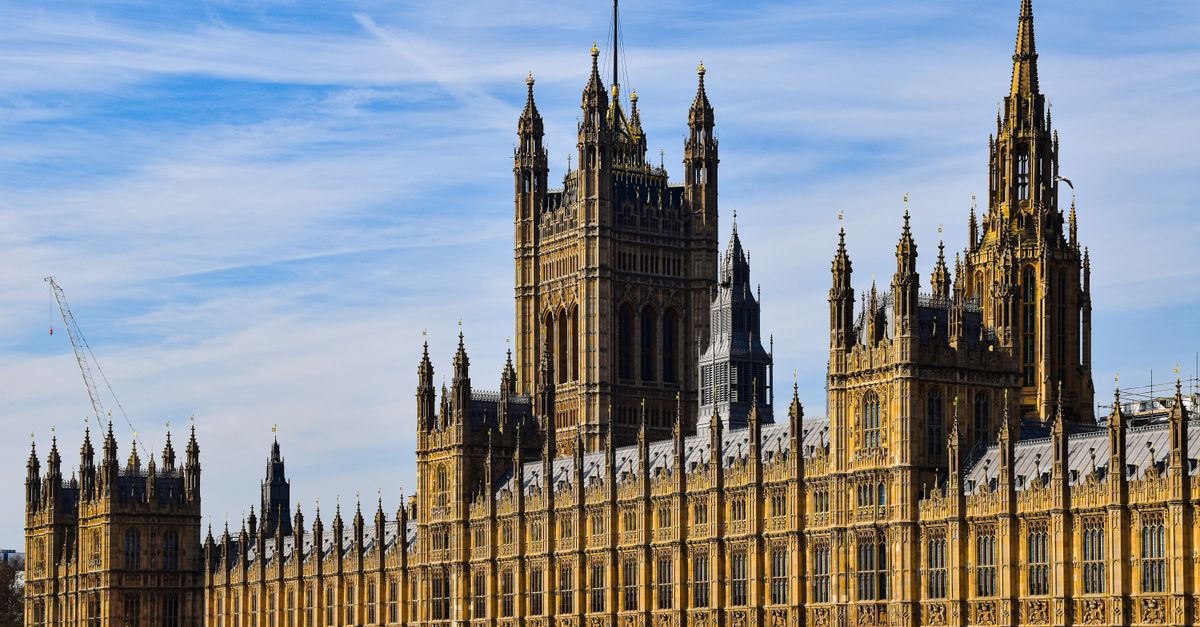
Britain is a constitutional monarchy, a phrase that gets used constantly and explained rarely. The short version is a single well-worn sentence: the King reigns, but he does not rule. The longer, more interesting version involves several genuinely specific duties the monarch still performs every year, each one now governed almost entirely by convention rather than personal discretion.
He appoints the Prime Minister, but doesn’t choose who it is
Constitutionally, the King appoints the Prime Minister, one of the monarchy’s oldest and most significant-sounding powers. In practice, this has been reduced almost entirely to formality: the King appoints whoever can command the confidence of the House of Commons, which in a functioning parliamentary system means the leader of the largest party, or the leader of a coalition that has secured a majority. The last time a monarch made this decision using genuine personal judgement rather than simply confirming an obvious outcome was decades ago, and modern practice treats any appearance of royal preference as constitutionally inappropriate.
Royal assent: the final signature on every law
Every piece of legislation passed by Parliament requires royal assent before it becomes law, the monarch’s formal signing-off on a bill that has already cleared the House of Commons and House of Lords. It sounds like real power. It is, in practice, entirely automatic: no monarch has withheld royal assent since Queen Anne in 1708, over three centuries ago, and doing so today would be considered a serious constitutional crisis rather than a normal exercise of judgement.
Opening Parliament and the State Opening ceremony
The King formally opens each new parliamentary session at the State Opening of Parliament, delivering the King’s Speech, a ceremonial reading of legislative priorities that, despite being read in the first person by the monarch, is written entirely by the government of the day. It is one of the most visually grand moments in the constitutional calendar, and also one of the clearest examples of the monarch performing a script rather than expressing personal views.
The Privy Council and other appointments
The King chairs monthly meetings of the Privy Council, a body that formally approves Orders in Council, and makes numerous other appointments, including senior judges, bishops of the Church of England, and various public officials. In every one of these cases, the monarch acts on the advice of ministers rather than through independent choice; the appointment power sits with the Crown constitutionally, but the actual decision-making sits with elected government.
Receiving ambassadors and representing the state abroad
Beyond domestic legislative functions, the monarch receives incoming and outgoing ambassadors and serves as the ceremonial embodiment of the British state in diplomatic contexts and on state visits abroad. This role carries genuine soft-power value, lending continuity and prestige that elected officials, who change more frequently, cannot easily replicate, even though the substance of foreign policy itself is set by the government.
Why the powers still exist if they’re never really used
It might seem strange that a modern democracy retains a head of state with formal powers that are never actually exercised independently. The answer lies in the value of a stable, apolitical figurehead: because the monarch is expected never to act against government advice, the Crown provides continuity and a check against any government claiming these formal powers for itself, without the monarch ever becoming a political actor. It is a system built specifically so the powers exist as a safeguard, precisely by remaining unused.
Not entirely without discretion
There is one meaningful area where the monarch’s judgement could, in a genuinely unusual scenario, matter: a general election producing no party with a clear majority and no obvious coalition. Even then, modern convention pushes the monarch to remain scrupulously neutral, waiting for politicians to resolve the situation themselves wherever possible, precisely to avoid the Crown being seen to make a political choice.
Browse more of our Royal Figures stories for how the modern monarchy actually functions.
Frequently asked questions
Does the King have real political power?
Very little in practice. Constitutionally he holds significant formal powers, including appointing the Prime Minister and granting royal assent to legislation, but convention requires him to act on government advice in every normal circumstance, leaving him with essentially no independent political power.
What is royal assent?
The monarch’s formal approval of a bill passed by both Houses of Parliament, the final step before it becomes law. No monarch has withheld royal assent since 1708.
Does the King write the King’s Speech?
No. The King reads the King’s Speech at the State Opening of Parliament, but the government of the day writes its entire content, setting out its own legislative priorities.
Does the monarch choose who becomes Prime Minister?
Formally yes, but in practice the King appoints whoever can command the confidence of the House of Commons, almost always the leader of the largest party or a coalition with a majority, leaving no real personal discretion in typical circumstances.
What is the Privy Council?
A formal body the King chairs monthly to approve Orders in Council and other official business, acting throughout on the advice of ministers rather than independent royal judgement.
Why does the monarch still have these powers if they’re never used independently?
The formal powers act as a stable, apolitical constitutional safeguard. Because convention requires the monarch to remain neutral and follow government advice, the Crown provides continuity without becoming a political actor itself.
Constitutional details are drawn from the UK Parliament’s own explainers and the UCL Constitution Unit’s published analysis; correct as of 2026.