The Royal Tiara Rules: Who Can Wear One, and When
A tiara says a great deal before anyone speaks a word: married, after 5pm, and almost certainly borrowed. Here are the actual rules behind royal headwear.
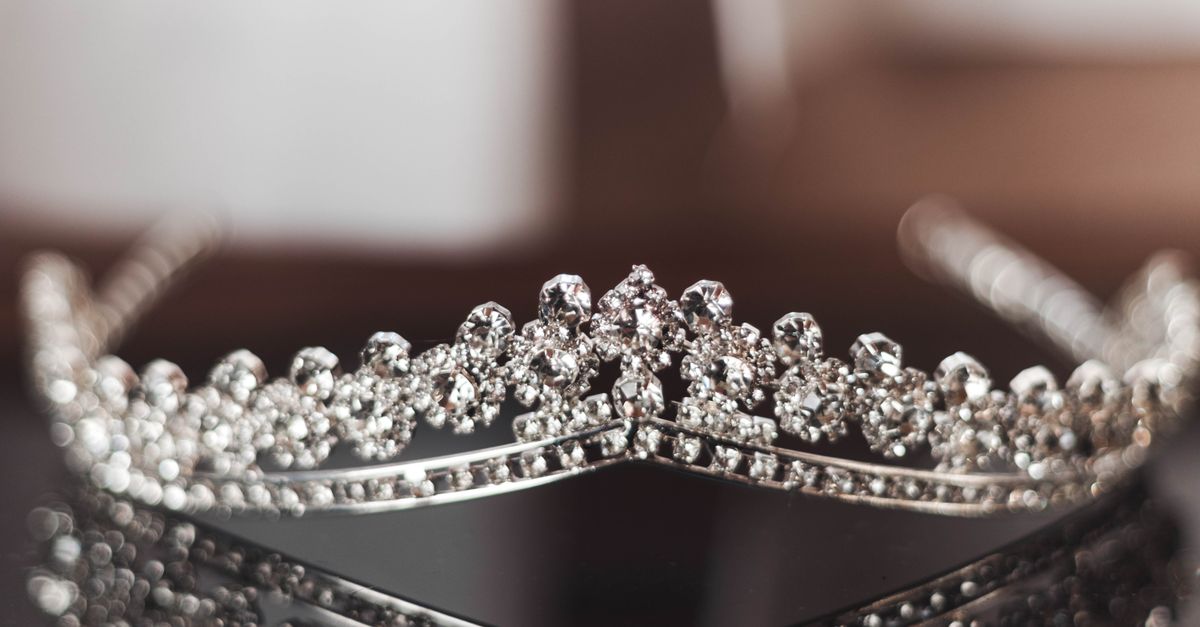
Few pieces of royal etiquette are as strictly, quietly enforced as the rules around tiaras, a piece of jewellery that carries genuine coded meaning well beyond its obvious sparkle.
Reserved for married women, by long tradition
By long-standing convention, tiaras are worn by married women, or by princesses born into the role on their wedding day itself. The old formulation holds that a tiara signals a head that is “spoken for,” historically a jewel of the wife rather than the debutante, a rule observed more loosely today than in previous centuries but still broadly followed by working royals at major state occasions.
Only after dark
Tiaras are strictly evening wear, traditionally not worn before roughly 5 or 6pm, with the notable exception of a bride at her own morning or early-afternoon wedding ceremony. The rule reflects tiaras’ place at the very top of the formality scale, reserved for white-tie events, state banquets and evening weddings rather than daytime engagements, however grand.
Almost never actually owned
Most tiaras worn by royal women are not personal property at all, but pieces loaned from the wider royal collection, controlled today by King Charles III and Queen Camilla, who offer specific pieces to family members for particular occasions. Catherine, Princess of Wales, for example, has several tiaras on loan, including the Lotus Flower Tiara and the Cambridge Lover’s Knot, both drawn from the late Queen Elizabeth II’s collection of some twenty tiaras rather than owned outright. A loan can effectively last a lifetime, but the piece itself remains part of the institutional collection rather than personal inheritance.
Not for every grand occasion
Even at events of genuine national significance, a tiara is not automatically appropriate. Jubilee celebrations, for instance, are not traditionally tiara occasions, reserved instead for the very grandest evening set pieces: state banquets, coronations and formal evening dinners, rather than daytime public celebrations regardless of scale.
Choosing, rather than simply wearing
Because tiaras are loaned rather than freely chosen, a royal woman does not typically select from the full vault at will; pieces are generally offered or assigned for a specific occasion, a system that keeps the collection’s most historic and valuable pieces under careful institutional control even as they pass, in practice, between different family members over the decades.
A small rule that says a great deal
None of this is arbitrary fussiness. The tiara rules exist precisely because the jewellery itself carries so much institutional and personal history, married status, borrowed royal heritage, evening-only grandeur, all communicated silently the moment a tiara appears, long before anyone in the room says a word.
Browse more of our Royal Style & Fashion stories for more of the rules behind royal jewellery.
Frequently asked questions
Who is allowed to wear a tiara in the royal family?
By tradition, married women, or princesses born into the role on their wedding day. The rule is observed more loosely today than in previous centuries.
What time of day can a tiara be worn?
Traditionally after 5 or 6pm, with the main exception being a bride wearing one at her own wedding ceremony, whatever time it takes place.
Do royals own their tiaras?
Most do not. The majority of royal tiaras are loaned from the wider royal collection, controlled by the reigning monarch and consort, rather than personally owned by the woman wearing them.
Can a royal choose any tiara she likes?
No. Pieces are generally offered or assigned for a specific occasion rather than freely selected from the full collection.
Are tiaras worn at Jubilee celebrations?
No. They are reserved for the grandest evening occasions, such as state banquets, coronations and formal evening dinners, rather than daytime public celebrations.
How many tiaras did Queen Elizabeth II own?
Around twenty, many of which are now loaned to other family members, including Catherine, Princess of Wales.
Etiquette and provenance details are drawn from standard royal-jewellery reporting and etiquette references; correct as of 2026.