Royal-Warrant Menswear: How to Dress Like the King
The tailors and menswear houses that dress the King, from Savile Row suits and Jermyn Street shirts to Barbour and Scottish knitwear. How to build a royal wardrobe.
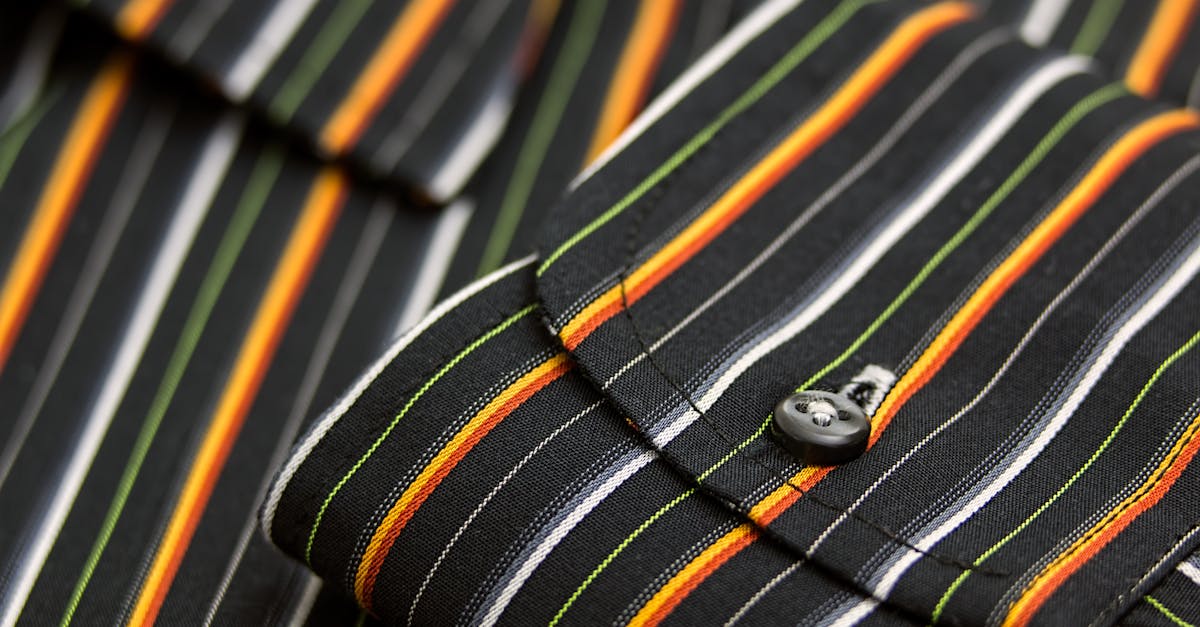
King Charles III is, by common consent, one of the best-dressed men in the world, and he has been for half a century. His style is a masterclass in old-school British elegance: superbly cut suits worn until they are almost part of him, the finest Jermyn Street shirts, and country tweeds with the comfortable authority of a man entirely at home in good clothes. Behind that look stands a roll-call of royal-warrant menswear houses, the tailors and makers who dress the King.
The lovely thing is that this is a wardrobe built on principles rather than trends: quality, fit, longevity and restraint, which means anyone can learn from it, whatever their budget. Dressing like the King is less about spending a fortune than about choosing well and keeping things for years.
Here are the great houses that dress the King, and how to build a royal-warrant wardrobe of your own.
The King’s tailors: Savile Row
At the foundation of the King’s wardrobe are his suits, cut on and around London’s Savile Row, the home of British bespoke tailoring. His long-standing tailors are among the Row’s most storied names, and his suits are famous for two things: their beautiful, natural-shouldered cut, and the fact that he wears and repairs them for decades rather than replacing them.
That make-do-and-mend philosophy, patching, re-soling and re-wearing rather than discarding, is central to the King’s style and his values, and it is the single most important lesson to take from it. A well-cut suit in good cloth, cared for and kept, is a lifetime investment. The houses that make them, such as Gieves & Hawkes and Anderson & Sheppard, hold or have held royal warrants; royalwarrant.org keeps the current list.
Turnbull & Asser: the royal shirt
Beneath the suit is the shirt, and here the great royal name is Turnbull & Asser, the celebrated Jermyn Street shirtmaker that has dressed the King for many years and long held his royal warrant. Founded in 1885, it is the archetype of the English shirt: beautifully made, in fine cotton, with a distinctive, slightly formal elegance.
A proper Jermyn Street shirt is the foundation of the royal look: crisp white and blue for formal wear, a quiet check or stripe for the country. It is also the most accessible entry point into royal-warrant style: a single excellent shirt elevates everything worn with it, and lasts far longer than a drawer of cheaper ones. Our guide to royal-warrant fashion brands has more of the labels the royals wear.
The country wardrobe: Barbour and tweed
Away from the city, the King’s wardrobe turns to the heritage staples of British country life, and no name is more central than Barbour, the waxed-jacket maker that has held royal warrants and dressed the family for country pursuits for decades. A wax jacket, a tweed cap and good cord or moleskin trousers are the uniform of a royal weekend.
Tweed is the country cloth of choice, hard-wearing, weatherproof and handsome, in the muted greens and browns of the landscape. It is a wardrobe built entirely on function and longevity, exactly the buy-once-and-keep spirit that runs through everything the King wears. Our guide to the British countryside wardrobe covers it head to toe.
Scottish knitwear
Between the shirt and the jacket sits the knitwear, and for that the royal standard is Scottish. Johnstons of Elgin, holder of a royal warrant and spinning cashmere in the Highlands since 1797, makes exactly the kind of fine cashmere and lambswool jumpers that layer beautifully under a jacket or over a country shirt.
A good crew-neck or V-neck in navy, camel or grey is one of the most useful and versatile pieces a man can own, and Scottish cashmere is the finest there is. It is warmth without bulk, elegance without effort, and, cared for well, it lasts for many years. See our guide to British cashmere for how to choose and keep it.
How to build a King Charles wardrobe
The King’s style is more attainable than it looks, because it rests on classics done well rather than expensive novelty. Start with the foundations: a well-cut navy or grey suit, crisp white and blue shirts, good leather shoes, and a fine-knit jumper. Add a wax jacket, tweed and cord for the country. Keep the palette classic and the fit sharp.
Above all, adopt the King’s philosophy of quality and longevity: buy the best you can afford, care for it, and keep it for years. British high-street names like Marks & Spencer offer smart, well-cut foundations to build the look affordably, proving that royal-warrant style is about principles more than price. See how the same instincts play out in Prince William’s fashion evolution.
Why royal menswear endures
Royal-warrant menswear endures because it values the right things: craft over trend, fit over flash, and longevity over novelty. The houses that dress the King have survived not by chasing fashion but by making beautiful, durable clothes the same way for generations, which is exactly why they earned the royal warrant in the first place.
That is the enduring lesson of the King’s wardrobe. Choose well, prioritise fit and quality, and keep what you buy, and you will dress with quiet authority for a lifetime. Browse more of our Royal Style & Fashion stories and Royal Warrant Brands to keep building the look.
Frequently asked questions
What tailors does King Charles use?
King Charles’s suits are made by leading Savile Row tailors, including houses such as Anderson & Sheppard and Gieves & Hawkes, known for their natural-shouldered British cut. He is famous for wearing and repairing his suits for decades rather than replacing them.
What shirts does the King wear?
The King has long worn shirts by Turnbull & Asser, the Jermyn Street shirtmaker founded in 1885 that has held his royal warrant. A fine cotton shirt in white, blue or a quiet check is the foundation of his classic look.
How can I dress like King Charles?
Build a wardrobe of well-cut classics: a navy or grey suit, crisp shirts, good leather shoes and fine knitwear, plus a Barbour, tweed and cord for the country. Prioritise fit and quality, keep the palette classic, and care for and keep your clothes for years.
What is royal-warrant menswear?
Royal-warrant menswear refers to the clothing houses that hold a royal warrant: an official mark of regular supply to the royal household. In menswear these include Savile Row tailors, Jermyn Street shirtmakers such as Turnbull & Asser, and heritage makers like Barbour and Johnstons of Elgin.
Why does King Charles repair his old suits?
King Charles is a well-known advocate of sustainability and quality over disposability. He has his suits patched, re-soled and re-worn for decades rather than buying new, reflecting his belief in buying well and making things last.
What knitwear does the royal family wear?
The royal family favours fine Scottish cashmere and lambswool, from mills such as Johnstons of Elgin, which holds a royal warrant. A good crew-neck jumper in a classic colour is a versatile, long-lasting staple of the royal wardrobe.
Brands and royal warrants are described as of 2026; warrant status can change, so for the definitive current list see royalwarrant.org.


