The British Countryside Wardrobe: Wax, Wellies and Tweed
The British countryside wardrobe the royals live in — the wax jackets, wellies, boots and layers that dress a weekend in the shires.
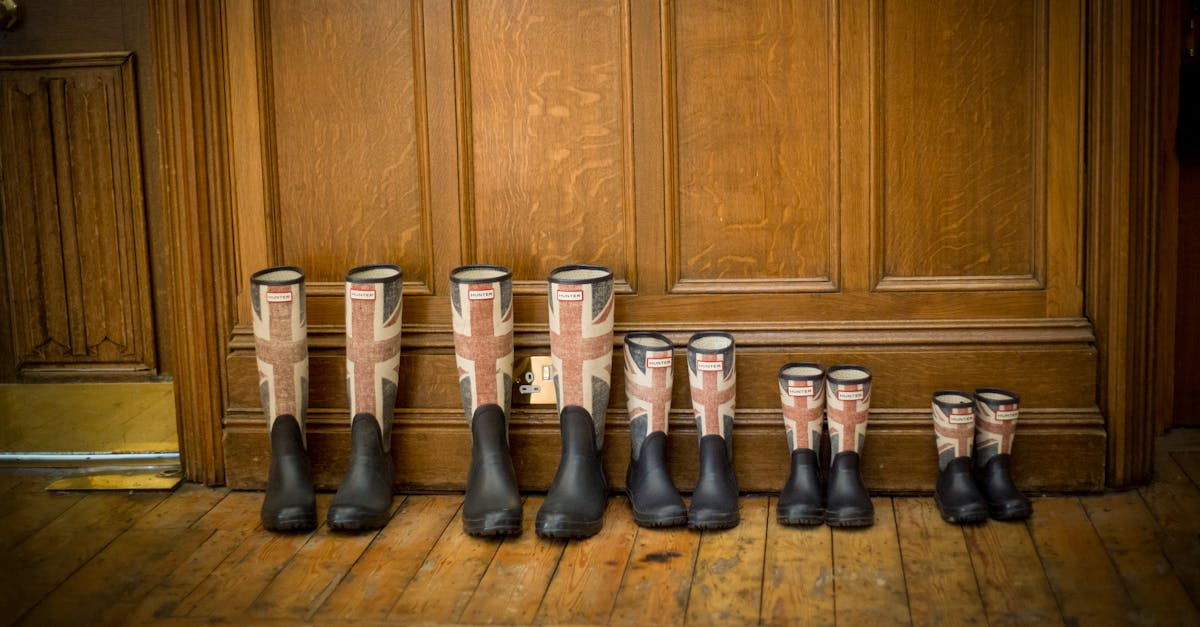
Away from the palaces and the tiaras, the royal family dresses like almost every other British country household: in wax, wool and rubber, chosen for weather rather than cameras. The British countryside wardrobe is the least showy and most enduring of all royal styles — the muddy-boots, dog-walk uniform that has barely changed in fifty years.
It is a look built on function. A good wax jacket keeps out a Highland downpour; a proper welly survives a decade of estate mud; a tweed keeps its shape through a hundred country weekends. That the royals wear these things not as costume but as genuine kit is exactly why the countryside wardrobe reads as so authentically British — and why the brands behind it have such devoted followings.
Here is how to build it, piece by piece, starting where every country outfit starts: at the boot room door.
The wax jacket: Barbour, the countryside constant
No garment says British countryside quite like a Barbour. Founded on the South Shields quayside in 1894, the brand has earned royal warrants for its waxed cotton jackets, and it has dressed the royal family across generations — Her late Majesty Queen Elizabeth II, Diana, Princess of Wales, and the Princess of Wales today have all worn theirs on farm walks and shooting days alike.
The appeal is the opposite of fashion: a Barbour is bought to be re-waxed, repaired and handed down, improving with every soaking. The classic Bedale and Beaufort shapes are the ones you will see on country estates from Norfolk to Deeside. For the full story of how a dockside oilskin became a wardrobe icon, see our piece on Barbour, Britain’s favourite wax jacket.
Wellingtons: from the Queen’s Hunters to Kate’s Le Chameau
If the wax jacket is the countryside wardrobe’s coat, the wellington boot is its foundation. The great British name here is Hunter, whose green Originals are a country staple — Diana, Princess of Wales famously wore a green pair for a photograph with Prince Charles at Balmoral just before their 1981 wedding, and the late Queen wore an unbranded black pair believed to have been made especially for her.
The Princess of Wales tends to reach for a different boot: the French-made Le Chameau Vierzonord, a favourite on official duty and private walks alike, prized for its neoprene lining and hand-made leather-lined uppers. Between the two, you have the whole royal welly story: Hunter for heritage and value, Le Chameau for the quiet luxury the country set has adopted in recent years.
Country boots: Penelope Chilvers and Fairfax & Favor
When the ground is firm and the occasion a touch smarter, the wellies give way to leather. The Princess of Wales’s most quietly famous footwear is her pair of Penelope Chilvers Long Tassel boots in conker brown — first worn in 2004 and still going strong two decades later, the very definition of buy-once country dressing. Our look at Catherine’s country style tells their full story.
For the same tan-leather, tassel-trimmed look, Fairfax & Favor — the Norfolk brand whose Spanish-inspired Regina boots have become the unofficial uniform of the shires — is the other name to know. Between them, these two houses define the polished end of the country wardrobe: boots made to be worn hard and still look wonderful outside a country pub.
The layers: Schöffel, Musto and the field-sport staples
Underneath the wax jacket sits the country wardrobe’s engine room: the fleece and the gilet. The quilted or fleece gilet is the county set’s true uniform, and no name is more associated with it than Schöffel, whose fleeces and shooting coats are a fixture at point-to-points and school touchlines across the country.
For anything involving water or weather, Musto — founded by the Olympic sailor Keith Musto — brings genuine field-sport pedigree, its technical smocks and shooting jackets built for real conditions rather than the school run. Layered under a Barbour, a Schöffel gilet and a Musto mid-layer are how the countryside wardrobe stays warm without ever looking as though it is trying.
Casual country: Crew Clothing, Aspiga and Toggi
Not every country day calls for a shooting coat. For the softer, off-duty end of the wardrobe, Crew Clothing brings its nautical, weekend-in-Salcombe ease — striped rugby shirts, chinos and quilted jackets that suit a coastal walk as well as a county show.
For warmer months, Aspiga offers the sustainable, summer-garden-party side of country dressing in easy prints and natural fabrics, while Toggi, the equestrian specialist, covers the yard-and-stable end with jodhpur boots and country footwear built for people who actually ride. Together they round out a wardrobe that stretches from a frosty shoot to a June garden party.
How to build the look
The secret of the countryside wardrobe is that it rewards patience over spending. Buy the wax jacket and the boots first — they are the pieces you will keep for decades — and add the layers over time. Everything is designed to be repaired rather than replaced, which is precisely why it works out cheaper in the long run.
Stick to the country palette of moss green, tan, navy and brown, let everything wear in rather than worrying about keeping it pristine, and finish with the small accessories — a flat cap, leather gloves, a good pair of wool socks — that pull the look together. Done well, it is a wardrobe that will see you through a lifetime of country weekends, exactly as it has served the royal family.
Why the countryside wardrobe endures
In a fashion world obsessed with the new, the British countryside wardrobe stands for permanence: the same brands, the same shapes, worn until they fall apart and then repaired. It is the style the royals return to whenever the cameras are elsewhere — at Balmoral in August, on the Highgrove borders, on a wet Norfolk morning.
That is its quiet appeal. To dress this way is not to follow a trend but to opt out of them entirely, in favour of things made well and kept for good. Browse more of our Royal Style & Fashion stories to keep building the look.
Frequently asked questions
What wellies does the royal family wear?
The royal family favours two brands above all: Hunter, whose green Originals were famously worn by Diana, Princess of Wales at Balmoral in 1981, and the French-made Le Chameau Vierzonord, the Princess of Wales’s boot of choice on both official and private engagements.
What wax jacket does Kate Middleton wear?
The Princess of Wales is regularly photographed in a waxed Barbour jacket, continuing a royal tradition shared by Queen Elizabeth II and Diana, Princess of Wales. The classic Bedale and Beaufort styles are the country staples.
What boots does the Princess of Wales wear in the country?
Her signature country boots are Penelope Chilvers Long Tassel boots in conker brown, which she first wore in 2004 and has kept for over twenty years. Fairfax & Favor’s Regina boots offer a similar tan-leather, tassel-trimmed look.
What is Sloane Ranger country style?
Sloane Ranger style is the well-heeled English country look that emerged in the late 1970s: practical, inherited pieces such as waxed jackets, gilets, headscarves and leather boots, worn understated rather than showy. Diana, Princess of Wales was its most famous embodiment.
What do you wear for a country weekend in Britain?
Start with a waxed jacket and wellingtons or leather country boots, layer a fleece or gilet underneath, stick to a palette of green, tan and navy, and finish with a flat cap and wool socks. Buy quality once rather than replacing cheap pieces.
Is a Barbour jacket worth it?
Yes — a Barbour is designed to be re-waxed and repaired for decades, which makes it better value over time than cheaper coats. It holds a royal warrant and is a genuine royal-family staple rather than a fashion choice.
Brands and royal wearers are described as of 2026; styles and stockists change, so check each brand for current ranges.


