Royal Beauty: The Skincare, Make-up and Fragrance the Royals Use
From the rosehip oil that sold a bottle every 20 seconds to Meghan's dewy glow: a look at the royal beauty products behind two very different signatures.
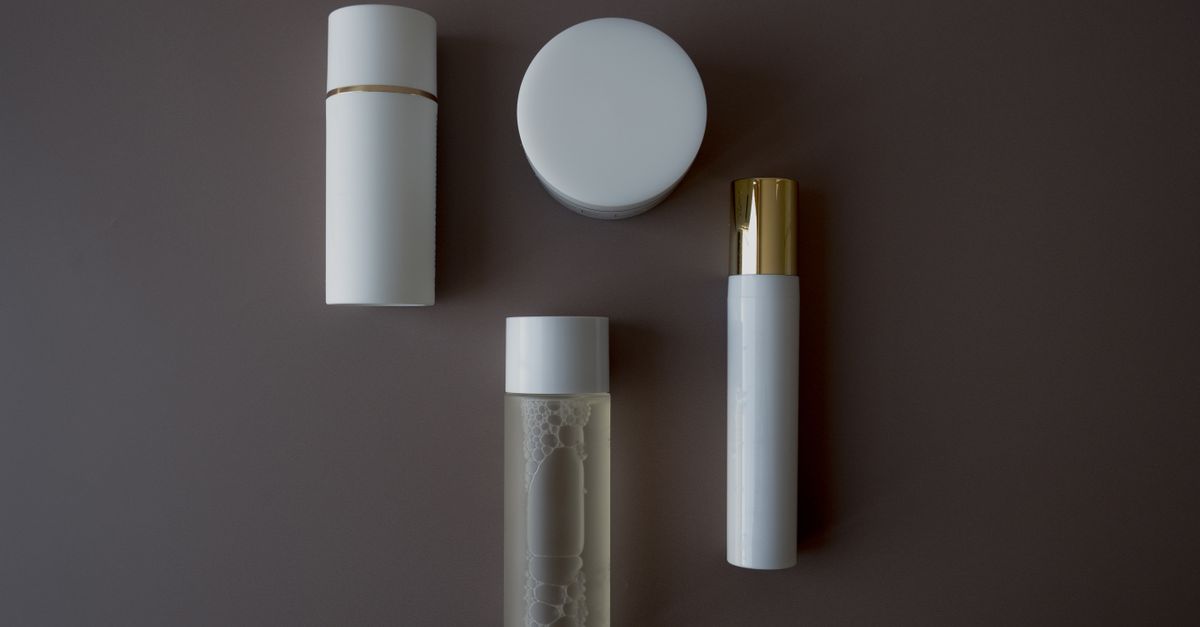
When the word got out that the Princess of Wales used a particular organic rosehip oil, something remarkable happened: a bottle reportedly sold every twenty seconds. It is the beauty world’s version of the Kate Effect, proof that royal beauty choices move markets just as surely as a sell-out coat.
Yet the fascinating thing about royal beauty is how quiet it usually is. Neither the Princess of Wales nor the Duchess of Sussex favours anything dramatic; both built their signatures on healthy, luminous skin and a light, natural hand. What follows is a look at the products most closely associated with each, verified where possible, and gently hedged where the evidence is anecdotal, alongside the British beauty houses that give the royal-London dressing table its pedigree.
A note before we begin: royals rarely confirm their exact routines, so much of what circulates is reported by makeup artists or the press rather than officially endorsed. We’ve flagged what’s well documented and what’s simply well loved.
The Princess of Wales: glow over glamour
Catherine’s beauty signature is fresh, English and remarkably consistent: the look of good skin and very little fuss. Two skincare names come up again and again in reporting.
The first is Trilogy Certified Organic Rosehip Oil, which the Princess is said to have discovered while pregnant with Princess Charlotte. It was this product that triggered that famous “bottle every twenty seconds” surge once the association became public, a neat illustration of the Kate Effect at work in the beauty aisle rather than on the High Street.
The second is the Swiss line Karin Herzog, and its Oxygen Face cream in particular. The Princess is reported to have been a long-standing fan, and to have used the oxygen cream on the morning of her 2011 wedding, part of the preparation behind one of the most photographed complexions in modern history.
Both are hedge-worthy in the sense that neither has been formally confirmed by Kensington Palace, but both have been widely and consistently reported for well over a decade.
Catherine’s wedding-day make-up, done herself
One royal beauty detail is firmly on the record, and it remains one of the most charming. For her wedding to Prince William on 29 April 2011, the Princess of Wales did her own make-up, after private lessons with the makeup artists Hannah Martin and Arabella Preston.
Her kit that morning leaned heavily on Bobbi Brown, whose “polished but natural” philosophy suited her perfectly: the Skin Foundation, a long-wear gel eyeliner, a rosy-pink blush and soft, smoky neutral shadow. The result (dewy, defined, unmistakably her) set the template she has barely deviated from since.
It was a quietly modern choice for a future queen, and one that endeared her to a generation of brides who realised they, too, could do their own wedding face beautifully.
The Duchess of Sussex: the art of the dewy finish
Where Catherine’s look is fresh-English, the Duchess of Sussex’s is lit-from-within Californian: a luminous, “your skin but better” finish she has spoken about warmly over the years. Reporting from her former makeup artists and her own past interviews points to a remarkably consistent kit.
For base, she has favoured Giorgio Armani Luminous Silk Foundation and Dior Backstage, worn sheer; for cheeks, the near-universal Nars ‘Orgasm’ blush; and for that signature glow, RMS Beauty ‘Living Luminizer’, a cult cream highlighter. Skincare-wise she has praised Tatcha (the Dewy Skin Mist and the Rice Enzyme Powder, which she once described as giving “a really subtle exfoliation”) and Fresh Sugar lip treatments to keep things soft.
It is a wardrobe of beauty that mirrors her pared-back California style: expensive, minimal, and built for radiance rather than coverage.
Sarah Chapman: the facialist behind the Sussex glow
One British name recurs in the Duchess of Sussex’s skincare story: Sarah Chapman, the London facialist whose Skinesis range has become shorthand for a red-carpet complexion.
Chapman’s cult products, the Overnight Facial oil and the Skinesis facial massage tools among them, are exactly the kind of results-driven, professional-grade skincare that sits behind a genuinely luminous finish. For readers chasing that healthy, well-rested glow, Sarah Chapman’s skincare is one of the more attainable ways to borrow a little Sussex radiance.
It’s a reminder that behind every effortless royal complexion is usually a very good facialist, and, increasingly, a British one.
Britain’s royal-warrant beauty houses
Beyond the specific products the duchesses favour, royal London has its own deep bench of heritage beauty: the perfumers and skincare houses that give the dressing table its sense of occasion.
Chief among them is Floris London, the Jermyn Street perfumer founded in 1730 and a long-standing holder of royal warrants. Its old-world English fragrances (think bergamot, rose and neroli) are the scent equivalent of a Savile Row suit. Exploring Floris London’s fragrances is about as close as most of us will come to a genuinely royal perfume cabinet.
There is also Jo Loves, the fragrance house from Jo Malone CBE, arguably Britain’s most celebrated modern perfumer, whose scented candles and colognes make elegant gifts. For skincare, Britain offers just as much pedigree, from cult facial oils to five-star spa rituals, more on those below.
British skincare with a cult following
If the royals themselves lean towards a handful of trusted names, the wider world of British beauty offers plenty for the aspiring royal-glow enthusiast.
Votary, founded by a former beauty editor and a facialist, has built a devoted following for its cleansing oils and its “Super Seed” facial oil, the sort of results-led, quietly luxurious skincare that suits an understated royal aesthetic. Browsing Votary’s facial oils is a good starting point for anyone building a slower, more considered routine.
ESPA, meanwhile, brings the five-star spa home. Born in the world of destination-spa treatments, its skincare and bath rituals are designed around wellbeing as much as results, very much in keeping with the calm, restorative side of royal-inspired living. A little of ESPA’s spa skincare turns an ordinary evening into something closer to a treatment.
Together, these houses show that you needn’t raid a palace to build a beautiful routine. Britain makes plenty of it.
The enduring appeal of royal beauty
What unites every name here is restraint. Royal beauty, at its best, is not about transformation but about looking healthily, confidently yourself: good skin, a light hand, a signature scent worn for years. It is the beauty equivalent of a well-kept classic coat: understated, dependable and quietly luxurious.
That is why it endures, and why a single rediscovered rosehip oil can still empty the shelves. Browse more of our Royal Style & Fashion stories for the wardrobes, jewels and details behind modern royal glamour.
Frequently asked questions
What skincare does the Princess of Wales use?
The Princess of Wales is most often linked to Trilogy Certified Organic Rosehip Oil, which she reportedly discovered while pregnant with Princess Charlotte, and to Swiss brand Karin Herzog’s Oxygen Face cream, said to have been used on her wedding morning. Neither has been officially confirmed by Kensington Palace.
Did Kate Middleton do her own wedding make-up?
Yes. For her 2011 wedding, the Princess of Wales did her own make-up after private lessons with makeup artists Hannah Martin and Arabella Preston, using a largely Bobbi Brown kit for a polished, natural look.
What make-up does Meghan Markle wear?
The Duchess of Sussex has been linked to Giorgio Armani Luminous Silk and Dior Backstage foundations, Nars ‘Orgasm’ blush and RMS Beauty ‘Living Luminizer’, worn for a sheer, dewy finish rather than heavy coverage.
What skincare does Meghan use?
Reporting and her own past interviews point to Tatcha (the Dewy Skin Mist and Rice Enzyme Powder) and to London facialist Sarah Chapman’s Skinesis range, alongside Fresh lip care, a results-led routine built around a luminous complexion.
What fragrance do the royals wear?
The royal family has long favoured heritage British perfumers such as royal-warrant-holding Floris London, founded in 1730 on Jermyn Street. The Duchess of Sussex has previously been associated with Jo Malone scents including Wild Bluebell and Wood Sage & Sea Salt.
Which British beauty brands hold royal warrants?
Floris London is among the best-known royal-warrant beauty houses, a Jermyn Street perfumer supplying the royal households for centuries. Royal warrants are reviewed periodically, so the definitive current list is published at royalwarrant.org.
How can I get the royal beauty look?
Focus on skin first: a good facial oil, thorough cleansing and a dewy, sheer base, rather than heavy make-up. British houses such as Sarah Chapman, Votary and ESPA offer results-led skincare in the understated, glow-focused spirit the royals favour.
Beauty products linked to individual royals are based on press reporting and past interviews rather than official confirmation, and are accurate to the best of our knowledge as of 2026. Royal warrant holders are listed at royalwarrant.org.


