The Kate Effect: How the Princess of Wales Moves British Fashion
When the Princess of Wales wears something, it can sell out within minutes. Inside the gentle, powerful phenomenon that British fashion calls the Kate Effect.

There is a particular kind of magic in watching a coat vanish from every shelf in Britain within the hour. It happens, almost without fail, whenever Catherine, Princess of Wales steps out in something new, a phenomenon the fashion industry has affectionately christened the Kate Effect.
A blazer photographed on a Tuesday morning can be sold out by lunchtime. A pair of earrings glimpsed at a reception can have a small jewellery studio fielding enquiries from across the Atlantic before the day is done. It is word-of-mouth at the speed of the modern news cycle, and it has become one of the quietly powerful forces in British style.
What makes it so remarkable is how little force it requires. There are no campaigns and no announcements, simply a well-chosen outfit and a watching world.
What the Kate Effect actually is
The Kate Effect describes the surge in sales (often a complete sell-out) that follows the Princess of Wales wearing a particular piece. A dress, a blazer, a pair of shoes, a delicate pendant: whatever she chooses can be gone within minutes of the photographs appearing, prompting brands to restock, re-release and sometimes reissue discontinued lines.
The term has been in circulation for well over a decade, and the evidence is more than anecdotal flattery. A 2018 study by the valuation consultancy Brand Finance named Catherine the most powerful royal fashion influencer, finding that her endorsement increased a garment’s desirability among an estimated 38 per cent of American shoppers. Designers tell the same story from the shop floor: the jewellery house Soru has spoken about the rush of attention that follows one of its pieces appearing on the Princess, and the shoe designer Jennifer Chamandi told Harper’s Bazaar that the lift in awareness and enquiries was immediate “not just in the UK but especially in the US.” It is, by every account, a real thing.
High Street meets high-end
Part of what makes the effect so beloved is the Princess’s instinct for mixing price points. She moves between established couture and the High Street with complete ease, pairing a designer coat with a dress from Zara or stepping out in a blazer from Reiss, a label whose pieces she has worn since her university days.
This democratic touch is the secret to the look’s reach. When she favours brands such as Zara, Hobbs, L.K. Bennett or Reiss, the outfit is often genuinely attainable, and shoppers can buy a small piece of the moment for themselves. It is aspiration paired with accessibility, a combination far more persuasive than couture alone. The result is a style that reads as polished and considered rather than remote, and it is precisely this balance that turns admiration into a purchase.
Championing British designers
For all her High Street flair, the Princess of Wales is a devoted patron of home-grown design. Her formal wardrobe leans on names that read like a roll-call of modern British fashion: Alexander McQueen, whose Sarah Burton designed her wedding gown; Jenny Packham for red-carpet glamour; Catherine Walker for tailored coats and coat-dresses; and Emilia Wickstead for crisp, structured day dresses.
For a young or lesser-known British label, a single appearance can be transformational, turning a quiet studio into a household name overnight. The Princess has steadily widened her circle to include conscious British labels such as Beulah London, alongside designers including Stella McCartney and the jeweller Monica Vinader, lending her quiet endorsement to brands built on craft and provenance. In doing so she draws global attention to the British fashion industry, again and again.
The art of re-wearing
In an age of disposable trends, one of the Princess’s most influential habits is the simplest: she wears her clothes more than once. She re-wears and re-styles without any fuss, returning to a beloved Catherine Walker coat or a treasured Jenny Packham gown years after its first outing, and the public adores her for it.
She has gone further still, quietly championing the idea of altering and reworking favourite pieces: adjusting a neckline here, adding sleeves there, giving an old garment a second life rather than reaching for something new. Commentators have come to read this as a thoughtful, sustainable approach to dressing, and it sends a gentle but unmistakable signal at a moment when the industry is reckoning with its environmental footprint. It is fashion as reassurance: classic, considered and unbothered by the churn of the season.
Diplomatic dressing on tour
Some of the most studied looks of all appear when the Princess travels. On royal tours she practises what stylists call diplomatic dressing: choosing colours, motifs and designers that honour the host nation. It is soft power expressed through a hemline, considered and respectful and understood without a word being spoken.
The examples span her years of public life: the wardrobe she wore during the 2011 tour of Canada, the nods to her hosts during the 2017 visit to Poland and Germany, and the carefully chosen looks of the 2022 Caribbean tour. At a state banquet, a thoughtfully selected gown and a borrowed tiara can convey a quiet authority that no speech could match. Each choice is a small act of courtesy, and the watching world reliably takes note, sending yet another ripple of the Kate Effect around the globe.
The economic impact
The cumulative result of all this is an influence often described in eye-watering figures. Her sway over the UK fashion industry has been estimated, in widely repeated reporting, to be worth around £1 billion a year, a number that has circulated in the British press since roughly the middle of the last decade.
It is worth a note of caution here: that headline figure is an estimate rather than an audited fact, and no government analysis or public financial report has independently confirmed it. The honest position is that the £1 billion claim is compelling but unverified, and best treated as illustrative shorthand for an influence that is genuine even where it is hard to measure precisely. What is beyond doubt is the pattern beneath it: repeated, documented sell-outs and a measurable lift in brand desirability that designers describe first-hand.
Her lasting influence
What sets the Kate Effect apart from a passing celebrity endorsement is its steadiness. The Princess has not chased trends so much as quietly defined a register of her own: tailored coats, elegant midi dresses, a polished and timeless silhouette returned to season after season. It is a consistency that has made her a fixed point in British style for well over a decade.
That reliability is its own kind of power. Because her choices are so considered, each one carries weight, and a generation of shoppers has come to treat her wardrobe as a trusted guide to dressing with grace on a real-world budget. The Kate Effect, in the end, is less about a single sold-out coat than about a sustained, gentle influence over how a nation chooses to dress.
A gentle kind of power
There is something distinctly British about all of this: the way restraint, rather than spectacle, turns out to be the most persuasive thing of all. The Princess of Wales has shown that influence need not shout to be felt, and that a single well-judged outfit can do quiet work for British design, for relatable style and for a more considered way of dressing.
It is soft power in its most charming form: a watching world, a thoughtful choice, and an industry that hangs, gladly, on her next appearance.
Browse our Royal Style & Fashion stories to discover more of the looks and jewels that capture the world’s attention.
Shop the Kate Effect look
The brands Catherine wears most are available on Amazon, from Hobbs and L.K.Bennett occasion dresses to Monica Vinader jewellery. Using our links helps support Court & Capital at no extra cost to you.
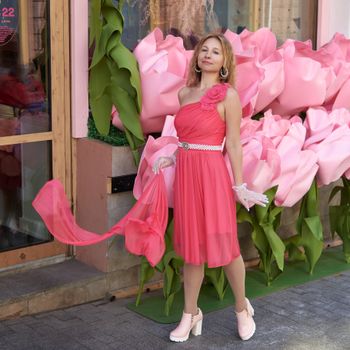
Hobbs London
Tailored dresses, coats and separates: the go-to label for polished occasion dressing. Catherine has worn Hobbs to engagements and school-run moments alike.
- Classic British tailoring
- occasion and everyday styles
- regularly worn by the Princess of Wales
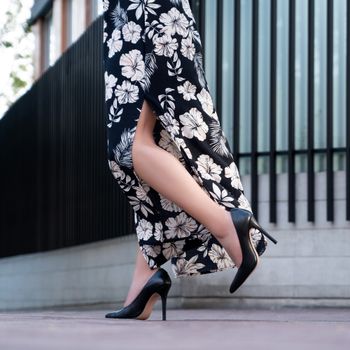
L.K.Bennett
Perhaps the most reliably sold-out brand after a Catherine sighting. Known for elegant pumps, midi dresses and timeless event wear.
- Midi dresses and heels
- restocked frequently
- the 'Kate Effect' brand by reputation
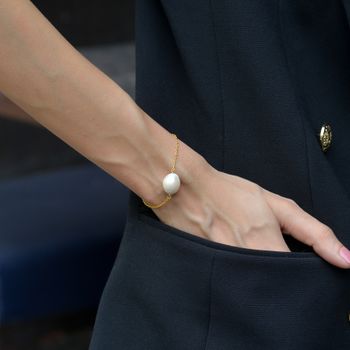
Monica Vinader
The fine jewellery label Catherine has worn to quiet engagements and school events. Delicate gold pieces, personalised charm bracelets and stacking rings.
- Gold vermeil and sterling silver
- personalisation options
- worn by the Princess of Wales
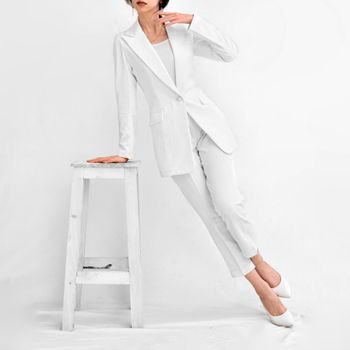
Reiss
The British high-street label Catherine has favoured since her university days. Sharply cut blazers, shift dresses and tailored separates that punch above their price point.
- Accessible price point
- worn since pre-royal years
- blazers and tailored dresses
Frequently asked questions
What is the Kate Effect?
The Kate Effect is the surge in sales (often a complete sell-out) that follows Catherine, Princess of Wales wearing a particular piece of clothing, jewellery or accessories. Brands frequently restock or re-release items after she is photographed in them.
Is the Kate Effect real or just a myth?
It is widely regarded as real. A 2018 Brand Finance study named the Princess the most powerful royal fashion influencer, and designers from jewellers to shoemakers have described an immediate lift in awareness and enquiries after she wears their work.
Does the Princess of Wales wear High Street brands?
Yes. She regularly mixes designer pieces with accessible labels such as Zara, Hobbs, L.K. Bennett and Reiss, which is a large part of why her looks resonate so widely with everyday shoppers.
Which British designers does Catherine favour?
Her formal wardrobe leans on British names including Alexander McQueen, Jenny Packham, Catherine Walker and Emilia Wickstead, alongside conscious labels such as Beulah London and designers including Stella McCartney.
Why does the Princess of Wales re-wear her outfits?
She re-wears and re-styles favourite pieces as a considered, sustainable approach to dressing, sometimes altering garments to give them a second life. It signals a thoughtful attitude to fashion at a time when the industry is examining its environmental impact.
What is diplomatic dressing?
Diplomatic dressing is the practice of choosing colours, motifs and designers that honour a host nation during royal tours and state occasions. The Princess has used it on tours including Canada (2011), Poland and Germany (2017) and the Caribbean (2022).
How much is the Kate Effect worth to UK fashion?
It has been estimated, in widely repeated press reporting since around the middle of the last decade, at roughly £1 billion a year. That figure is an estimate rather than an audited fact and has not been independently confirmed, so it is best treated as illustrative.
Why do items sell out so quickly when she wears them?
Photographs from her engagements circulate within minutes, and shoppers move fast to buy attainable pieces before they disappear. Because many of her choices come from accessible brands, demand can outstrip stock almost immediately.
Sources: “Fashion of Catherine, Princess of Wales,” Wikipedia; Brand Finance 2018 royal fashion influencer study; Harper’s Bazaar (Jennifer Chamandi); Marie Claire (Soru jewellery); and UK press reporting on the estimated £1 billion “Kate Effect” (notably Newsweek, circa 2015 onwards). Economic figures are estimates and have not been independently verified. Prices, stockists and availability change constantly, and sell-out pieces are rarely restocked, so always check directly with the brand.


