Remembering Diana: A Tribute on the Anniversary
On the anniversary of her passing, a warm tribute to Diana, Princess of Wales: the People’s Princess whose compassion, causes and motherhood changed the monarchy.
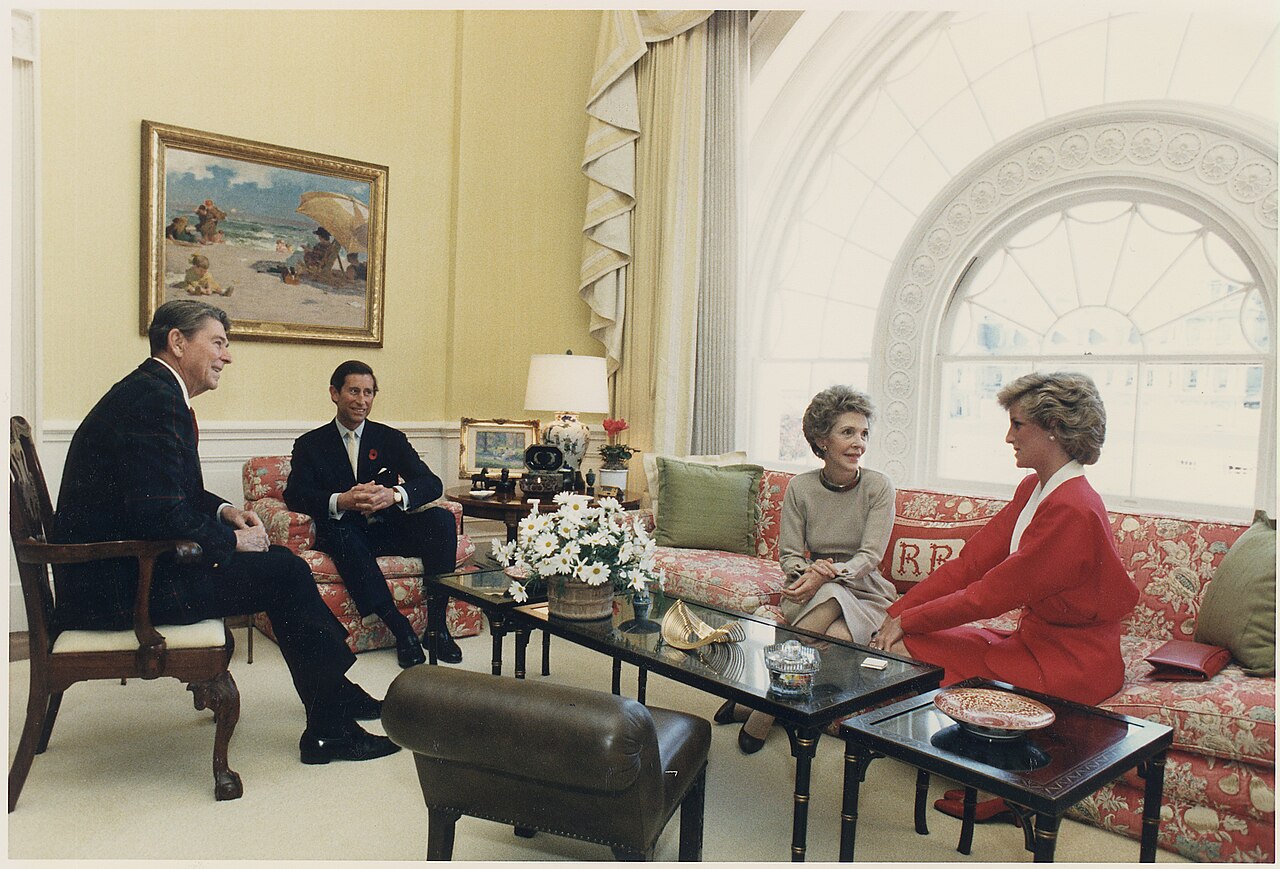
On 31 August each year, thoughts turn to Diana, Princess of Wales, who died on this day in 1997. Nearly three decades on, the affection for her has not dimmed; if anything, it has deepened into something like national tenderness. This is a day to remember not how she died, but how she lived, with a warmth, a compassion and a common touch that changed the monarchy and touched millions of lives.
Diana was, and remains, the People’s Princess: a young woman who brought a new kind of humanity to royal life and used her extraordinary fame to shine a light on those the world preferred to look away from. Her legacy lives on in her causes, in her two sons, and in the way she showed that duty and feeling could go together.
Here, on the anniversary, is a warm tribute to Diana: her compassion, her causes, her devotion as a mother, and the reasons she is remembered so fondly still.
The People’s Princess
From the moment she stepped into public life, Diana connected with people in a way the monarchy had rarely seen. She crouched to meet children at eye level, held the hands of the sick, and looked people in the eye as though they were the only person in the room. That instinctive warmth earned her a place in the nation’s heart that titles alone never could.
It was a new kind of royal presence: approachable, tactile, emotionally open. Where royal duty had often meant a certain formal distance, Diana closed it, and in doing so she made the institution feel warmer and more human. The phrase “the People’s Princess” stuck because it was simply true.
A new kind of compassion
Diana’s compassion was not performed; it was practical and often brave. In 1987, at the height of fear and stigma around HIV and AIDS, she shook the hand of a man with the illness, without gloves, and in front of the world’s cameras, a single gesture that did more to challenge prejudice than any speech could have. She did the same for those affected by leprosy, touching patients others feared to approach.
These were deliberate acts of leadership through kindness. Diana understood the power of her image and chose to use it to dismantle stigma, to comfort the frightened, and to tell the overlooked that they mattered. It is perhaps her greatest and most characteristic legacy: compassion made visible.
Her humanitarian legacy
Diana lent her name and her heart to a remarkable range of causes. She was a tireless champion of the homeless, taking her young sons to visit shelters so they would understand lives unlike their own, and a devoted patron of children’s hospitals, hospices and charities for the sick and vulnerable.
In the final year of her life, she brought global attention to the horror of landmines, walking through a partially cleared minefield in Angola in a now-iconic act of witness that helped galvanise the international campaign to ban them. Across AIDS, leprosy, homelessness and landmines, she had an unerring instinct for the causes that needed a compassionate, famous face, and the courage to lend hers.
A devoted mother
Above all, Diana was a mother, and a determinedly hands-on one. She was fiercely committed to giving Prince William and Prince Harry as normal and loving a childhood as royal life allowed: theme parks and cinema trips, hugs and honesty, and a window onto the wider world beyond palace walls.
She wanted her sons to grow up understanding both their privilege and their responsibility, and to feel deeply loved. That devotion shaped them profoundly, and the values she modelled (compassion, informality, a sense of service rooted in feeling) are visibly present in the men they became.
Her enduring influence
Diana’s influence did not end in 1997; it flows on through her sons, who have each carried her causes forward. Prince William’s long commitment to tackling homelessness echoes those childhood shelter visits, while Prince Harry has continued her work on landmines, both sons consciously honouring their mother’s example in their own public lives.
Her influence reaches further still: into a monarchy that has grown warmer and more emotionally open, into the charities she championed and that still bear her imprint, and into the enduring fascination with her style and grace, which we celebrate in our piece on Princess Diana’s enduring style. She changed what a royal could be.
Why we still remember Diana
We remember Diana because she made kindness her life’s work, and because she showed that the grandest institution could also be tender. She used a spotlight most would have found overwhelming to light the way for others, and she did it with a grace and warmth that have never been forgotten.
On this anniversary, that is what endures: not the sadness of her loss, but the brightness of her example. Diana, Princess of Wales, remains a reminder that compassion is the most royal quality of all. Browse more of our Royal Figures stories to explore the lives and legacies that shaped the modern monarchy.
Frequently asked questions
When did Princess Diana die?
Diana, Princess of Wales, died on 31 August 1997. Each year the anniversary is marked with tributes remembering her life, her humanitarian work and her enduring influence on the royal family and beyond.
Why was Diana called the People’s Princess?
Diana was called the People’s Princess because of her warmth, informality and genuine connection with ordinary people. She met people at eye level, comforted the sick and vulnerable, and brought a new human touch to royal life that the public loved her for.
What causes did Princess Diana support?
Diana championed many causes, including HIV/AIDS awareness, leprosy, homelessness, children’s hospitals and hospices, and the campaign against landmines. She had a gift for drawing attention and compassion to those the world often overlooked.
What did Diana do for AIDS awareness?
In 1987, Diana shook the hand of a man with AIDS without wearing gloves, at a time of widespread fear and stigma. The gesture, captured by the world’s press, did a great deal to challenge prejudice and change public attitudes towards those with the illness.
How is Diana’s legacy continued today?
Diana’s legacy lives on through her sons: Prince William continues her work on homelessness, and Prince Harry has carried forward her campaigning against landmines. Her influence is also felt in a warmer, more compassionate monarchy and in the charities she supported.
How is Princess Diana remembered?
Diana is remembered as a compassionate, courageous and deeply human figure, the People’s Princess who used her fame to help others. She is honoured through memorials, her continuing charitable legacy, and the enduring affection of the public.
This tribute draws on widely published accounts of the life and work of Diana, Princess of Wales.


