Prince Philip: Fast Facts You Might Not Know
Born on a kitchen table in Corfu to a family with no Greek blood at all, Prince Philip's early life reads almost nothing like his 74 years by the Queen's side.
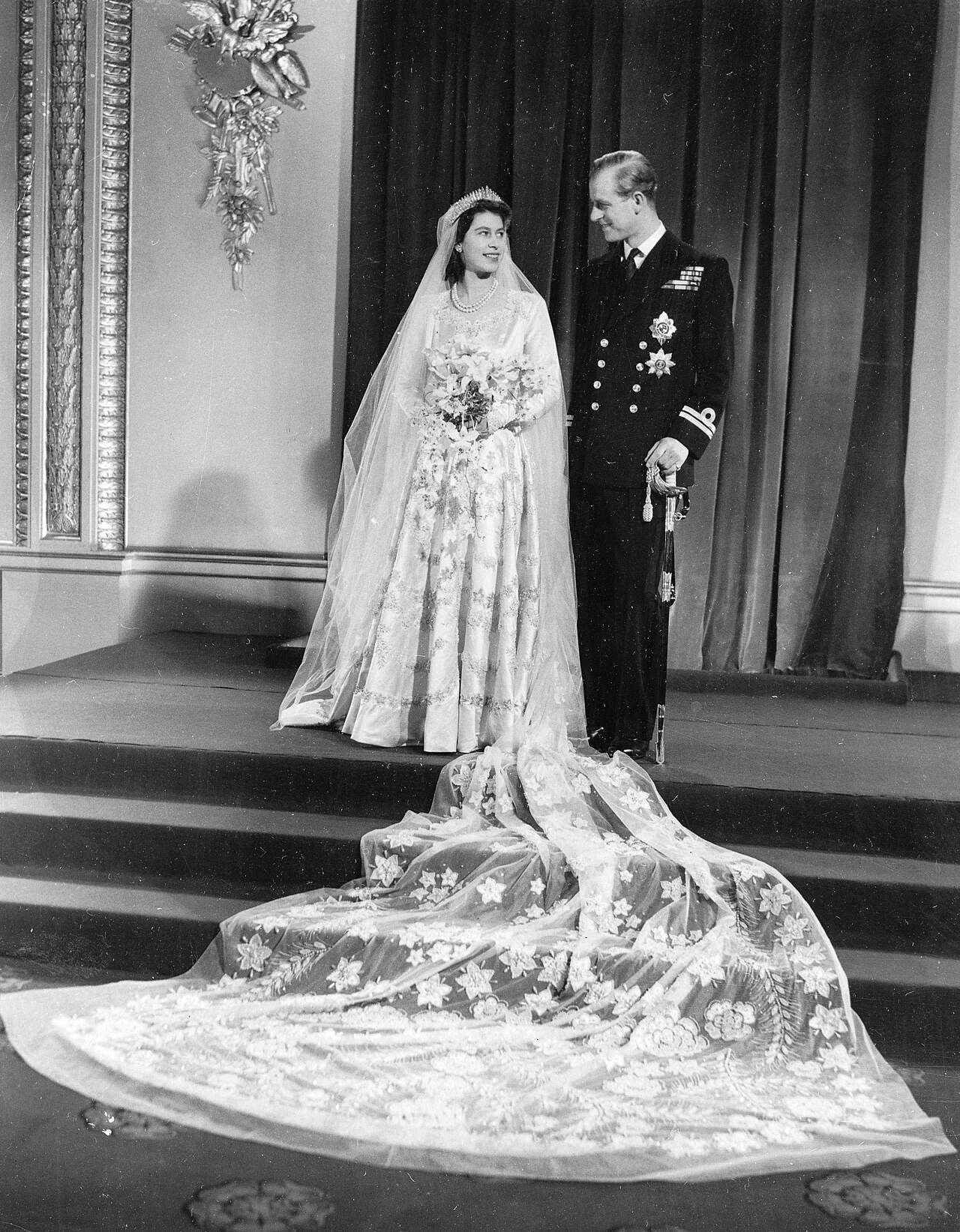
Prince Philip’s public image, seven decades at Queen Elizabeth II’s side, is so familiar that the genuinely unusual details of his early life tend to get lost. Here they are, gathered together.
Born on a kitchen table in Corfu
Philip was born on 10 June 1921 at Mon Repos, a villa on the Greek island of Corfu, and, according to long-standing family accounts, was actually born on the villa’s kitchen table, the most practical surface available at the time. It’s an origin story that sits oddly against the formality of the rest of his life, a genuinely humble start for a man who would go on to spend 74 years married to a reigning British monarch.
A Prince of Greece with no Greek blood
Despite being born a Prince of Greece and Denmark, Philip had no Greek ancestry at all. His family belonged to the House of Schleswig-Holstein-Sonderburg-Glücksburg, a Danish royal house, with predominantly Danish and German heritage; the Greek title reflected the throne his family had been invited to occupy generations earlier, rather than any Greek bloodline.
Fourth cousins with the woman he’d marry
Philip and Elizabeth were fourth cousins, both great-great-grandchildren of Queen Victoria, a genealogical connection common enough among European royal families of the era that it raised little comment at the time. They had, in fact, met on more than one occasion as children and distant relatives well before their romance began in the 1940s.
Renouncing everything to marry her
Ahead of their 1947 wedding, Philip renounced his Greek and Danish royal titles, converted from Greek Orthodoxy to Anglicanism, and took the surname Mountbatten, an anglicisation of his mother’s family name, becoming a naturalised British subject in the process. It was a comprehensive personal transformation undertaken specifically to make the marriage possible under the standards of the time.
Genuine wartime service
Before any of that, Philip served with distinction in the Royal Navy during the Second World War, seeing combat action in the Mediterranean, including at the Battle of Cape Matapan, and later in the Pacific theatre. It was substantive military service rather than a ceremonial posting, giving him a genuine record of wartime action before he ever became a public consort.
The Duke of Edinburgh’s Award
In 1956, Philip founded the Duke of Edinburgh’s Award, a youth development programme built around practical skill-building, volunteering and outdoor achievement for young people. It became, over the following decades, one of the most widely recognised youth awards in the world, reaching millions of participants across more than 100 countries and standing as arguably his most personally significant legacy.
Death just short of 100
Philip died on 9 April 2021, at the age of 99, just two months before what would have been his 100th birthday, bringing to a close 74 years of marriage to Queen Elizabeth II, longer than any other consort in British royal history.
For a fuller account of his life, several thorough Prince Philip biographies go well beyond what a single article can cover.
Browse more of our Royal Figures stories for more of the family history behind the modern monarchy.
Frequently asked questions
Where was Prince Philip born?
At Mon Repos, a villa on the Greek island of Corfu, on 10 June 1921, reportedly on the villa’s kitchen table.
Was Prince Philip actually Greek?
He was born a Prince of Greece and Denmark, but had no Greek ancestry. His family, the House of Schleswig-Holstein-Sonderburg-Glücksburg, was of Danish and German descent.
How was Prince Philip related to Queen Elizabeth II?
They were fourth cousins, both great-great-grandchildren of Queen Victoria.
What did Philip give up to marry Elizabeth?
He renounced his Greek and Danish royal titles, converted from Greek Orthodoxy to Anglicanism, and adopted the surname Mountbatten, becoming a naturalised British subject.
Did Prince Philip serve in the military?
Yes, with distinction in the Royal Navy during the Second World War, including combat action in the Mediterranean and later the Pacific.
When did Prince Philip die?
9 April 2021, at the age of 99, two months before his 100th birthday.
Biographical details are drawn from standard royal-historical references and royal.uk’s published material on Prince Philip’s life; correct as of 2026.