The Truth Behind Meghan Markle's Signature Beach Waves
Meghan Markle's loose, glossy waves aren't beach hair at all. They're a precise studio technique called the 'water wave,' and her stylist explains exactly how it's done.
Ask most people to describe Meghan Markle’s hair and they’ll reach for the same phrase: beach waves. Tousled, sun-loosened, the kind of texture you’d expect after a walk along the Pacific. It’s a lovely image, and, according to the man who actually creates the look, not quite the right one.
The Duchess of Sussex’s signature waves have a name, and it isn’t “beach.” Her longtime hairstylist George Northwood calls it a water wave, a more deliberate, more polished technique than a day at the shore would ever produce, built from careful product placement and a specific curling method rather than salt spray and wind. The distinction matters, because it’s the difference between a look you can actually recreate and one you’re chasing by accident.
Here’s what the water wave really is, how Northwood builds it strand by strand, and why the “undone” effect is, paradoxically, one of the more exacting techniques in modern hairstyling.
Meet George Northwood, the stylist behind the look
Long before Meghan was a duchess, George Northwood was already one of London’s most sought-after hairdressers, having trained at Vidal Sassoon before opening his own Fitzrovia salon and building a client list that includes Alexa Chung and the Duchess of Cambridge’s own hairstyling circle. He styled Meghan’s hair for her 2018 wedding to Prince Harry at St George’s Chapel, the famously low, loose chignon that broke from bridal convention, and has worked with her on both sides of the Atlantic since.
Northwood’s signature has always been texture over sleekness: hair that looks like it did something, rather than hair that was clearly “done.” That philosophy is precisely what separates his water wave from the tighter, more uniform curls of a traditional blow-dry set, and it’s why the look reads as effortless even though very little about it is left to chance.
Why “water wave,” not “beach wave”
In a widely cited interview with Bustle, Northwood explained the name directly: a water wave is “like hair that has come out of water, set in a really lovely, perfect way.” The comparison is deliberate. Wet hair, left to dry naturally or twisted loosely while damp, falls into soft, irregular bends, nothing like the crimped, salt-crunchy texture “beach waves” usually implies.
That’s the core distinction. A true beach wave is windswept and slightly rough, often finished with a texturising salt spray for grit. A water wave is smoother and more polished, closer to hair that has simply dried in soft coils and been brushed through gently. It photographs beautifully precisely because it isn’t fighting the light. There’s shine as well as movement, which is part of why it reads as more “royal premiere” than “festival weekend,” even though both looks share the word “wave.”
The technique, step by step
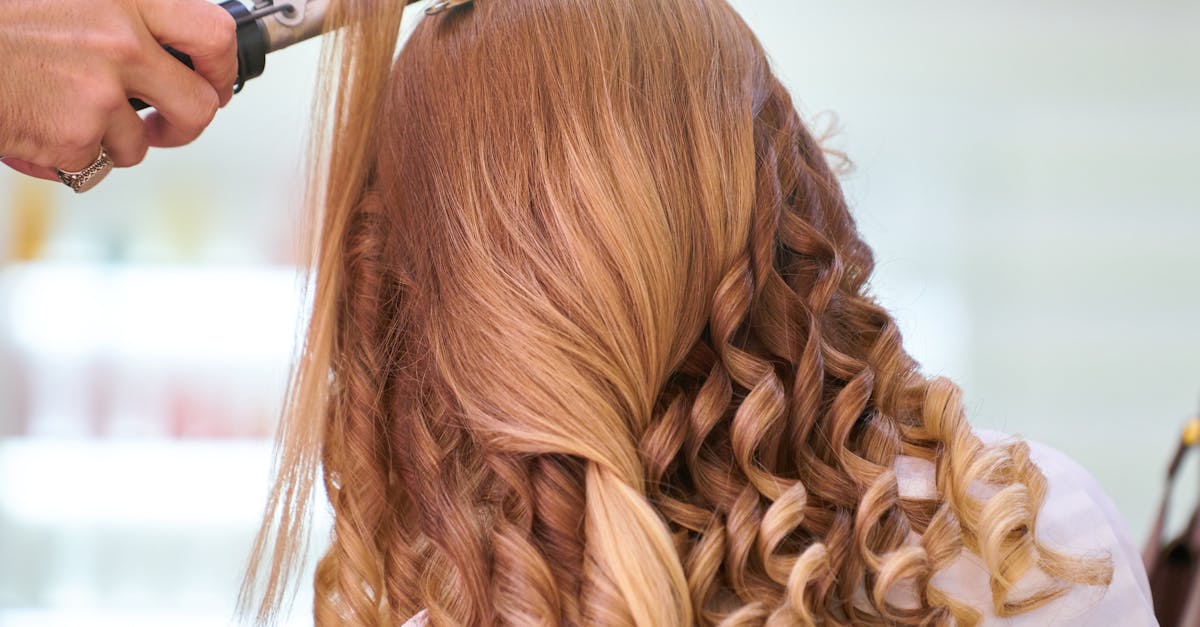
Northwood’s method starts before any heat tool comes near the hair. Product goes on first, applied to damp or dry hair depending on the finish required, then the hair is either blow-dried smooth or prepped with a straightener to remove any frizz and create a clean canvas. Only then does he pick up a large-barrel curling iron, a wider barrel than you’d use for a defined ringlet, which is what produces the loose, open bend rather than a tight spiral.
Sections are wrapped around the barrel and held only briefly before release, and Northwood alternates the direction of the wrap from section to section, some curls turning toward the face, some away, so that no two waves fall identically. That inconsistency is intentional. A head of hair curled in a single uniform direction reads as “set”; alternating the direction is what gives the water wave its natural, lived-in quality, even on hair that was, minutes earlier, perfectly straight.
The root-to-mid principle
The detail that most home stylists get backwards is where the product goes. Conventional styling wisdom often pushes texturising product toward the ends, on the theory that tips need the most help holding a curl. Northwood does the opposite: he works Volume Spray into the roots and Moisturising Cream through the mid-lengths, largely leaving the very ends alone.
The logic is about where movement actually needs to live. Root product lifts the hair away from the scalp so the wave has somewhere to fall from; mid-length cream gives the curling iron something to grip and hold without weighing the hair down at the point where most people over-apply. Leaving the ends comparatively untouched keeps them light and slightly flyaway, which is exactly what stops a wave from looking like a deliberate, tip-curled ringlet. It’s a small reversal of habit, but it’s arguably the single biggest reason the water wave reads as undone rather than styled.
The smooth base underneath
A water wave only looks effortless if the hair underneath it is healthy and frizz-free, and Meghan’s team has been open about the products that do that groundwork. Her longtime makeup artist and hairstylist Lydia Sellers has described using Kevin Murphy’s Smooth Again, a creamy leave-in treatment, on wash days to calm frizz and protect against heat, alongside the Kérastase Oléo-Relax line, which Sellers has credited with keeping Meghan’s naturally curly hair smooth through a blow-dry.
Neither product is about creating the wave itself; they’re about giving Northwood’s curling iron a clean, silky surface to work with, so the wave holds its shape rather than frizzing apart by midday. It’s a reminder that a great finish usually depends on unglamorous prep work most people skip.
Setting it for the day
The final step is arguably the most overlooked: locking the shape in without flattening it. Rather than brushing waves out immediately, Northwood lets each curled section cool before releasing it fully, which helps the bend hold its shape rather than dropping straight into a loose bend within the hour. A light-hold spray, Northwood’s own Wave Holding Spray among them, is worked through afterwards to keep frizz at bay without stiffening the movement.
Crucially, waves are separated with fingers rather than a brush once they’ve cooled. Brushing through a fresh curl breaks up the bend into a softer, fluffier shape, sometimes desirable, but not the crisp, defined water wave Northwood is known for. Finger-separation keeps each section distinct while still looking casual, which is really the whole trick of the technique in miniature: structure, disguised.
A look that travels well
Part of why the water wave has become so recognisable is that it holds up under exactly the conditions royal and post-royal engagements demand: long days, changeable weather, constant photography. Loose, alternating waves forgive humidity and hours on your feet in a way that a sleek, single-direction blow-dry simply doesn’t; a little softening through the day only makes it look more natural, not less finished.
That durability is arguably as important to the look’s popularity as its appearance. A hairstyle that needs retouching every ninety minutes isn’t practical for a garden party, a gala, or a transatlantic flight followed by a public appearance. The water wave was, in a sense, engineered for exactly that kind of day, which may be the most quietly clever thing about it.
Why the technique endures
What makes the water wave worth understanding isn’t just that it looks good on Meghan Markle. It’s that it’s a genuinely transferable idea. Root-focused product, mid-length grip, alternating curl direction, and a finish set with fingers rather than a brush: none of it requires her specific hair type or a stylist’s rolodex, just a shift in where the effort goes. That’s a rarer thing in celebrity beauty coverage than it sounds, and it’s probably why the look has stayed a reference point for so long rather than fading with a single season’s trend cycle.
Frequently asked questions
What is a “water wave”?
A water wave is George Northwood’s term for the loose, glossy curl pattern he creates for Meghan Markle, styled to look like hair that has dried naturally after being wet, rather than the windswept, salt-textured look usually meant by “beach waves.”
Who does Meghan Markle’s hair?
George Northwood, a London-based hairstylist who trained at Vidal Sassoon, has styled Meghan’s hair since before her 2018 wedding, including the low chignon she wore at St George’s Chapel. Lydia Sellers has also worked as her hairstylist and makeup artist, particularly for at-home and lifestyle content.
What’s the difference between a water wave and a beach wave?
A beach wave is typically rougher and more textured, often finished with a salt spray for grip. A water wave is smoother and more polished, closer to hair left to dry in loose coils, with more shine and less “crunch” in the finish.
What curling iron technique does George Northwood use?
He works with a large-barrel curling iron, wrapping sections briefly and alternating the direction from piece to piece so the waves fall irregularly rather than in one uniform pattern, which is what keeps the result looking natural.
Where does the styling product go for this look?
Northwood applies volumising product to the roots and a moisturising cream through the mid-lengths, largely leaving the ends alone. That’s the reverse of the tip-focused approach many people default to when trying to hold a curl.
What products keep Meghan Markle’s hair smooth before styling?
Her styling team has cited Kevin Murphy’s Smooth Again, a leave-in frizz treatment, and the Kérastase Oléo-Relax line for smoothing her naturally curly hair ahead of a blow-dry, giving the curling iron a clean base to work with.
Can you recreate a water wave without professional products?
Yes. The technique matters more than any single product. A large-barrel curling iron, root-to-mid product placement, alternating curl direction, and finger-separating the curls once cool will get close to the effect with most drugstore or salon-brand styling products.
Why does the water wave hold up so well through a long day?
Because the curl is loose and irregular rather than tightly set, it softens gradually rather than falling flat all at once, which is part of why it suits long royal engagements, travel days, and events with heavy photography.
Details of George Northwood’s technique are drawn from his own interviews, including with Bustle, and from reporting on Meghan Markle’s styling team; product names and prices are correct as of 2026 and may change with future collection updates.