We Don't Count the Carats, We Count the Centuries
The royal and aristocratic view of jewellery has little to do with price, and everything to do with history, family and the quiet weight of an heirloom.
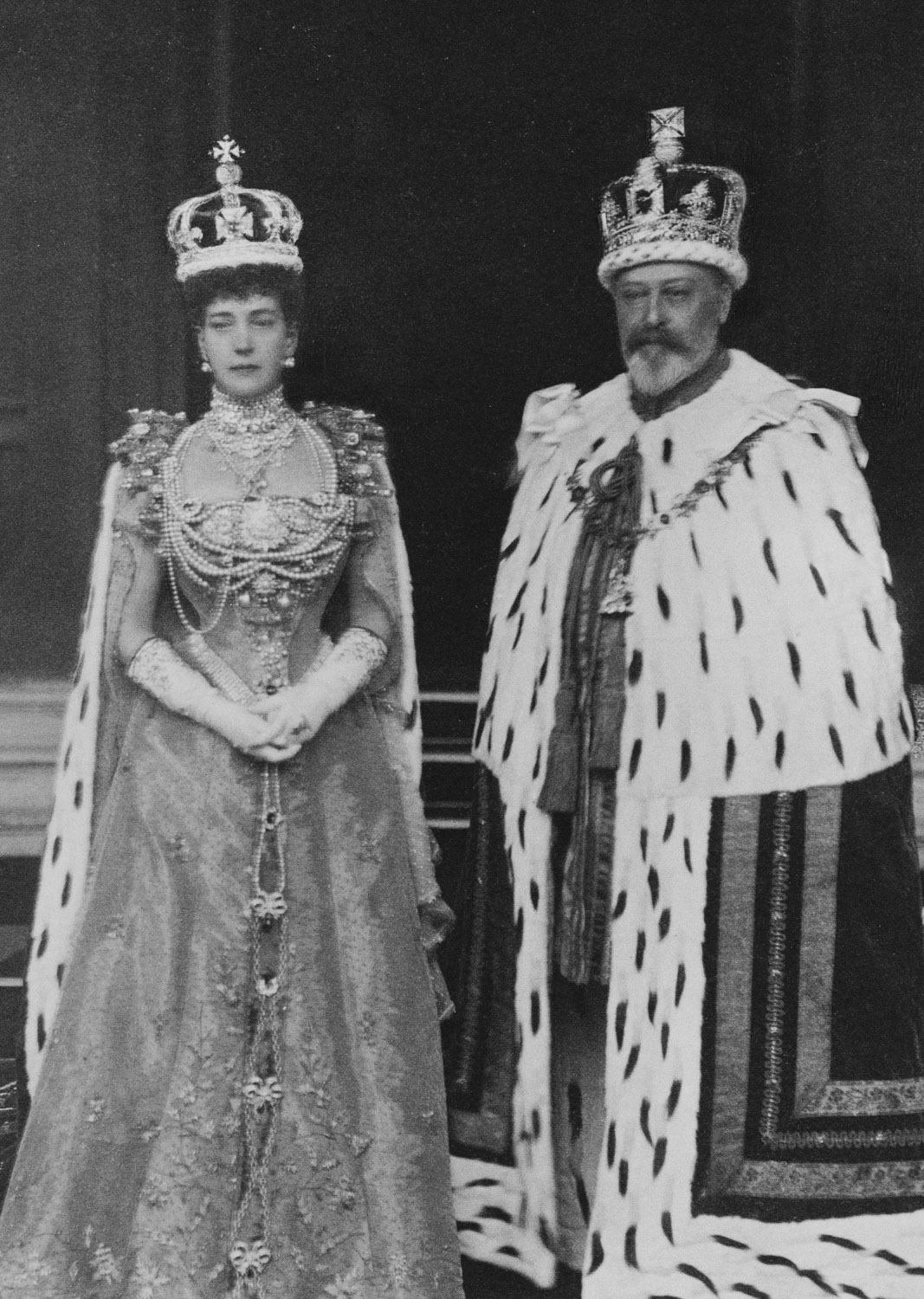
“We don’t count the carats, we count the centuries.” The line, as Queen Margrethe II of Denmark once put it, captures something the rest of the world often misses about royal jewellery. To a royal or aristocratic family, a jewel is not a luxury purchase. It is a piece of history that happens to sparkle.
Not Bling, but Biography
Walk into the world of royal jewellery and the first thing you must unlearn is the modern instinct to ask what something cost. The pieces that matter most are rarely the largest or the newest. Their value lies in who wore them, when, and what they witnessed: a coronation, a wedding, a christening, a farewell. A modest brooch with three hundred years of family history behind it outranks any freshly bought diamond, however enormous.
The Art of the Heirloom
This is why royal jewels are so often passed down, reset and reworn rather than retired. A tiara made for a great-grandmother is lent to a granddaughter; a necklace is unclipped and remade as a tiara; stones are reused across generations. Far from diminishing a piece, each alteration adds to its story. The jewel becomes a kind of family chronicle, edited gently by each woman who inherits it.
The Royal Jewellers: Guardians of the Tradition
Behind every great royal jewel stands a great house. Garrard, Crown Jeweller to the British monarchy for nearly two centuries, was the firm entrusted with setting, resetting, and maintaining the pieces that accompanied kings and queens through history. Their workshops handled the Imperial State Crown itself. Collingwood served Queen Victoria and supplied several of the intimate, sentimental pieces she treasured most deeply, including a brooch given by Prince Albert that she wore until her final years. Cartier entered the royal circle at the turn of the twentieth century, winning Edward VII’s admiration with their platinum-set diamonds. He is said to have called them “the jeweller of kings and the king of jewellers.” Fabergé, of course, was the St Petersburg genius whose exquisite Easter eggs captivated both the Russian Imperial family and the British royals who received them as gifts; several pieces found their way into Queen Alexandra’s collection and remain cherished curiosities today.
What unites all these houses is not merely their craftsmanship but their discretion. The great royal jewellers were keepers of secrets as much as setters of stones. They knew which pieces had been quietly sold to settle debts, which had been remade to obscure an awkward provenance, and which were worn only once and then locked away. That trust, built across generations of royal patronage, is itself a form of heritage.
Reset and Reimagined: The Jewel as Living Object
One of the most misunderstood aspects of royal jewellery is how often the great pieces are altered. To an outsider, resetting a jewel might seem like destruction. To a royal family, it is stewardship: keeping a stone in active use rather than leaving it to moulder in a vault.
Queen Victoria herself was a prolific resetter. The famous Collingwood brooch she received as a wedding gift was altered more than once during her long life as her tastes evolved. After her death, pieces from her personal collection were redistributed among her many children and grandchildren across European courts, each carrying a fragment of Victorian sentiment to a different throne. The Cambridge emeralds, a magnificent parure of deep green stones, passed through multiple hands and configurations before arriving in the collection of Queen Mary, who reset them yet again into a Vladimir tiara setting that has since become one of the most recognisable pieces in the Royal Collection. Today the tiara is worn by the Princess of Wales, its Cambridge emeralds, or interchangeable pendant drops, connecting a twenty-first-century princess directly to the nineteenth-century Cambridges who first owned them.
Provenance as Value: The Romanov Connection
Few provenance stories grip royal watchers quite like the Romanov connection. When the Russian Imperial family fell in 1917, their extraordinary jewel collection was scattered: some pieces seized by the Bolsheviks, others smuggled out by fleeing aristocrats and courtiers. Several found their way to the British Royal Family through the close kinship between the Romanovs and the Windsors. Queen Alexandra was the sister of Empress Maria Feodorovna, and many pieces passed between the two families before and after the Revolution.
Queen Mary, ever the assiduous collector, acquired a number of pieces with direct Romanov links, and they have remained in the Royal Collection since. The emotional charge these jewels carry is immense: they are not merely beautiful, they are survivors, rescued from catastrophe and preserved as witness to a world that no longer exists. That survival is, in the royal reckoning, the most profound form of value.
The Great Heirloom Debates: When Collections Divide
Not every heirloom story is one of seamless inheritance. The most famous rupture in twentieth-century royal jewellery history followed the abdication of Edward VIII. When the Duke of Windsor married Wallis Simpson, he gave her a collection of jewels that has never been surpassed for sheer extravagance of sentiment, and controversy. Many of the pieces incorporated stones and settings that had previously belonged to the Royal Family, raised eyebrows about their origins, and generated decades of whispered debate about what properly belonged to the Crown and what was the Duke’s personal property to bestow as he wished.
When the Duchess of Windsor’s jewels were auctioned at Sotheby’s Geneva in 1987, they fetched sums that astonished even the trade, not because the stones were exceptional by volume, but because of the stories attached to them. The world, it turned out, was willing to pay a great premium for provenance, for the association with a love story that had shaken a monarchy. The carats were almost beside the point.
Queen Mary: The Great Reassembler
No figure looms larger in the story of the Royal Collection’s jewellery than Queen Mary, consort of George V and grandmother of Queen Elizabeth II. She was, by any measure, the greatest royal collector of her era: energetic, systematic, and bracingly direct in her acquisitions. She tracked down pieces that had been sold or dispersed under earlier monarchs, reunited stones with their original settings where possible, and created detailed records of provenance that have guided curators ever since. The collection as it exists today owes more to Queen Mary’s obsessive stewardship than to any other single figure. She deserves, and will receive, a dedicated celebration of her own.
Wearing History: Queen Elizabeth II’s Jewels as a Reign in Miniature
Queen Elizabeth II wore her jewels not merely as ornament but as a form of communication. Those who followed her closely learned to read her choices as a kind of royal semaphore: a brooch given by her parents on a Commonwealth visit, a necklace from a particular country worn to welcome that country’s head of state, a bracelet of personal significance worn at private family moments. Over seventy years of public life, her collection became a living timeline of her reign.
The aquamarine suite given to her by the people of Brazil on her Coronation tour was reworn at key moments across the decades. Her personal jewels, owned outright, not held in trust for the Crown, were dispensed among her children and grandchildren after her death, each piece carrying with it a particular memory, a particular afternoon, a particular meaning known only to the family. That intimacy is the point. The jewels had done what they were always meant to do: accumulate time.
Crown Property and Personal Jewels: An Important Distinction
A subtlety that often escapes outside observers is the difference between the Crown Jewels (held in trust by the sovereign for the nation, permanently housed in the Tower of London and non-transferable) and the personal jewel collection of the monarch, which is private property and passes according to personal wishes. The Crown Jewels include pieces such as the Imperial State Crown, the Sovereign’s Orb and Sceptre, and the Coronation regalia; no sovereign owns them in any private sense, and they cannot be sold, gifted, or bequeathed. The personal collection, by contrast, has been built up over generations through gifts, purchases, and inheritance, and is at the sovereign’s disposal. It is from this personal collection that pieces are lent to other members of the family, that tiaras appear on the heads of new brides, and that the quiet passing-down of heirlooms continues from one generation to the next.
Something Borrowed, Something Inherited
The tradition of lending jewels, the famous “something borrowed” of royal weddings, flows from the same idea. A bride is not simply given a beautiful object; she is entrusted with a piece of the family’s memory for the day, and joins the line of those who have worn it. To wear an heirloom is to wear belonging.
The Lesson for All of Us
There is a quiet lesson here for anyone who loves beautiful things. The objects we treasure most are seldom the most expensive. They are the ones that carry people with them: a grandmother’s ring, a christening cup, a watch handed down with a note tucked inside the box. The royal view of jewellery simply makes a virtue of that instinct, and writes it large in diamonds, rubies and emeralds accumulated over centuries.
We do not need a royal vault to practise this philosophy. We need only resist the modern habit of measuring value in price tags, and remember instead to ask the older, better question: who wore this before me, and what did they feel when they wore it? The centuries, as Queen Margrethe so neatly understood, are always the point. The carats are merely how the story catches the light.
Quotations and attributions are drawn from widely published accounts; specifics of royal jewels can vary between sources.
Frequently Asked Questions
What does “counting the centuries” mean in relation to royal jewellery?
The phrase, attributed to Queen Margrethe II of Denmark, expresses the royal understanding that the true value of a jewel lies not in its size or price but in its age and the history it carries. A piece worn across multiple generations of a royal family accumulates meaning, weddings, coronations, losses, celebrations, that no newly purchased stone can replicate.
Why do royal families reset and alter jewels rather than preserve them unchanged?
Resetting is considered an act of stewardship, keeping stones in active use and adapting settings to contemporary wear. Each alteration adds a new chapter to the piece’s story. The Cambridge emeralds, for instance, have been reset several times yet remain recognisably connected to their nineteenth-century origins.
What is the difference between the Crown Jewels and a sovereign’s personal jewel collection?
The Crown Jewels, including the Imperial State Crown and Coronation regalia, are held in trust for the nation, housed in the Tower of London, and cannot be sold or privately bequeathed. A sovereign’s personal collection, built through gifts, purchases, and inheritance, is private property that passes according to personal wishes and from which pieces are lent to family members.
How did Romanov jewels reach the British Royal Family?
The close family ties between the British and Russian Imperial families (Queen Alexandra was the sister of Empress Maria Feodorovna) meant that jewels passed between the dynasties through gifts and inheritance both before and after the 1917 Revolution. Queen Mary subsequently acquired several pieces with Romanov connections, which remain in the Royal Collection.
What made the Duchess of Windsor’s jewels so remarkable at auction?
When the Duchess of Windsor’s jewels were sold at Sotheby’s Geneva in 1987, they achieved extraordinary prices largely because of their provenance: the love story, the abdication, the controversy surrounding their origins. The auction demonstrated that association with history commands a premium far beyond the intrinsic value of the stones themselves.
Who was Queen Mary and why is she important to the Royal Collection?
Queen Mary, consort of George V and grandmother of Queen Elizabeth II, was the most assiduous royal collector of the twentieth century. She systematically tracked down dispersed royal pieces, reunited stones with their settings, and created detailed provenance records. The Royal Collection’s jewellery holdings today owe more to her stewardship than to any other individual.
How did Queen Elizabeth II use jewellery as a form of communication?
Queen Elizabeth II often selected pieces to send quiet signals: wearing jewels given by a particular country when receiving that country’s head of state, or choosing personally significant pieces at private moments. Over seventy years, her choices became legible to informed observers as a form of royal semaphore, a running commentary on her reign worn at the throat and wrist.
How does the “count the centuries” philosophy apply to ordinary family heirlooms?
The same principle that governs royal jewels applies to any treasured object passed down through a family. A grandmother’s ring or a christening spoon carries emotional and historical meaning that no newly bought item can match. The royal view simply elevates and formalises an instinct most of us already feel: that the objects connected to people we love are worth more than their market value could ever express.


