Twinings: 300 Years of the Royal Cup of Tea
From a coffee house off the Strand in 1706 to an unbroken line of royal warrants since 1837: the warm, remarkable story of Twinings, the tea house the Crown has trusted for nearly two centuries.
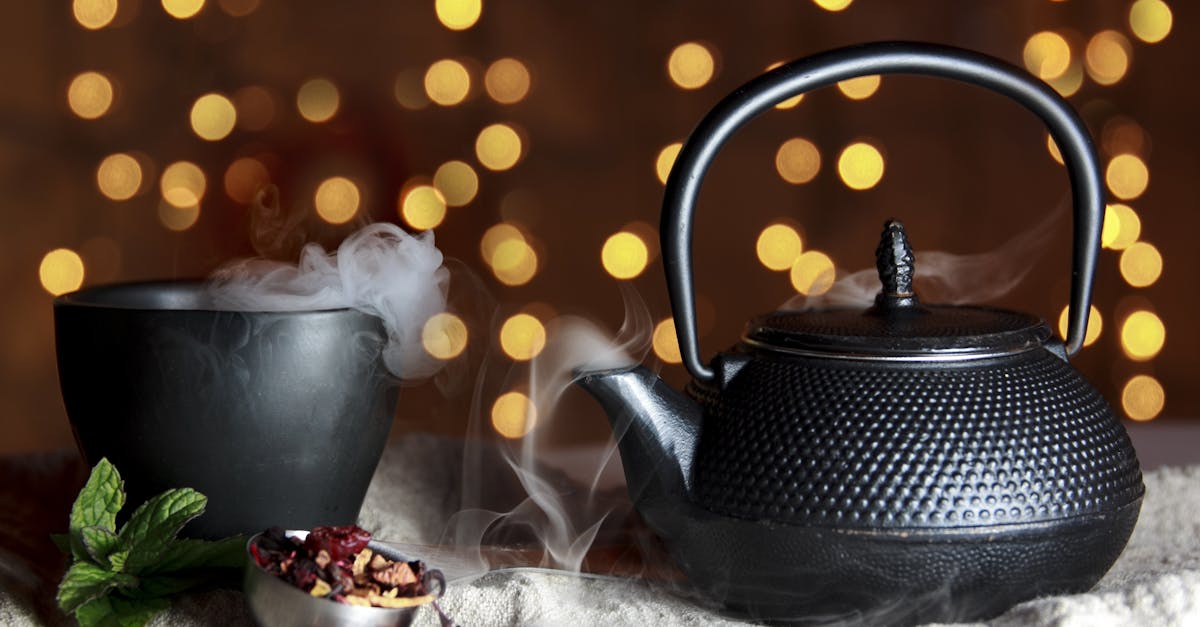
If there is one thing more quietly British than a good cup of tea, it is a very old company that has been making one for three centuries. Twinings has been blending and selling tea from the same patch of the Strand since the reign of Queen Anne, through nine monarchs, the rise and fall of an empire, and the invention of some of the most beloved blends in the world. To stand in its narrow London shop today is to stand inside a story that has barely paused for breath.
What makes Twinings so endearing is not simply its age, though that is remarkable enough. It is the constancy of the thing. The same doorway, the same recumbent golden lion, the same address where Londoners have queued for tea since powdered wigs were the height of fashion. Few businesses anywhere can claim to have served the public from one spot for so long, and fewer still can say they have poured tea for every British sovereign across nearly two hundred years.
This is the tale of how a tea merchant’s instinct, a handsome Georgian doorway and an unbroken royal blessing turned one shop on the Strand into a name recognised the world over, and why the Crown has trusted that name since 1837.
It began with a coffee house
The story opens in 1706, when Thomas Twining, a Gloucestershire weaver’s son who had come to London as a boy and learnt the tea trade in the service of an East India Company merchant, bought Tom’s Coffee House in Devereux Court, just off the Strand. London was in the grip of coffee-house fever, with hundreds of them buzzing as places to read the news, do business and gossip. Twining, however, had spotted something the crowd had not quite caught up with: tea.
Rather than simply pour tea by the cup, Twining began selling dry, loose tea by weight, both to his own customers and to neighbouring coffee houses such as the nearby Grecian. It was a shrewd move. Tea was exotic, costly and increasingly fashionable, and a dedicated supplier of good leaf was a rarity. In doing so, Twining is widely credited with helping to pioneer the dry-tea trade in London, a quiet revolution conducted one caddy at a time.
The move to 216 Strand
By 1717, the business had outgrown its origins. Thomas Twining acquired adjoining premises and established himself at what became 216 Strand, trading under the sign of the Golden Lyon. That address has never changed. More than three hundred years later, Twinings still occupies the very same site, a continuity so rare that the company is frequently described as London’s longest-standing ratepayer at a single address.
It is worth pausing on what that means. Empires have come and gone; the city has burned, been rebuilt, been bombed and rebuilt again; the Strand itself has been widened and reshaped around it. Through all of it, a tea merchant has kept the door open on the same threshold. To buy a packet of tea at 216 Strand is to take part in something that has scarcely been interrupted since the early eighteenth century, a small, fragrant thread running unbroken through the whole of modern British history.
The golden lion at the door
The shop’s most famous feature arrived in 1787, when Thomas’s grandson, Richard Twining, built the elegant neo-classical doorway that still greets visitors today. Above it reclines a gilded lion, the “Golden Lyon” of the old sign made permanent in stone and gold leaf. The lion lies down rather than stands, a posture often read as a gesture of respect to the founder, Thomas Twining himself.
Flanking the entrance are two carved Chinese figures, a graceful acknowledgement that the leaf in the caddies first came from China, where the custom of tea-drinking began. It is a charming piece of Georgian shopkeeping: part advertisement, part homage, part history lesson carved above the pavement. The doorway is narrow, almost easy to miss among the traffic of the modern Strand, which only adds to the pleasure of finding it. Step through, and the shop opens into a long, slender room lined with teas, with a small museum at the rear telling the family’s story.
An unbroken royal warrant
Twinings’ association with royalty runs deep. The family liked to recall that Thomas Twining had supplied tea to the court of Queen Anne in the early eighteenth century, when tea-drinking first took hold at the highest levels of society. The formal royal seal of approval, however, came later: in 1837, Queen Victoria granted Twinings a Royal Warrant as tea merchant.
What happened next is the truly extraordinary part. Twinings has, by its own account and that of the Royal Warrant Holders Association, held an uninterrupted warrant from every British monarch since, an unbroken line stretching from Victoria to the present King Charles III. That is close to two centuries of continuous royal approval, and one of the longest such associations of any brand in the country. A Royal Warrant is not a lifetime gift; it is granted to a named royal household and reviewed periodically, so to retain one across so many reigns is a genuine measure of consistency and trust. As ever, warrant holder status can change, so details here reflect the position as of 2026.
The world’s oldest logo, still in use
Hand in hand with the 1787 doorway came something else of quiet significance: the Twinings wordmark. The company’s name, set in capitals beneath the lion, is said to be the oldest commercial logo in continuous use anywhere in the world, used, unchanged in its essentials, since the late eighteenth century. It is a claim Twinings makes proudly, and one that captures the brand’s whole character: it has simply never seen a reason to change.
In an age when companies refresh their identities every few years, there is something rather lovely about a logo that has outlasted carriages, gaslight and the typewriter. Designers today still admire its clean, confident lettering. It is a small reminder that good design, like good tea, tends to age well, and that heritage, worn lightly, can be the most modern thing of all.
The home of Earl Grey
No account of Twinings would be complete without Earl Grey, the bergamot-scented black tea that has become one of the most recognised blends on earth. It takes its name from Charles Grey, the 2nd Earl Grey, a nineteenth-century Prime Minister, and its precise origins are wrapped in charming, much-retold legend rather than firm documentary record. Several houses lay claim to its early history, and the exact tale of how the bergamot first met the leaf is best treated as a delightful story rather than settled fact.
What is well documented is Twinings’ long and close association with the blend, which it continues to sell to this day in a range of variations. In 2024, that connection was given a notable seal of approval when the present Earl Grey publicly endorsed Twinings’ version as the authentic original, a pleasing modern footnote to a very old story, and a reminder that even the grandest English classics still have living families standing behind them.
Still pouring on the Strand
What makes Twinings so quietly wonderful, in the end, is its sheer steadiness. The same slim shop, the same golden lion, the same Strand address that has been selling tea since Queen Anne sat on the throne. It has weathered three centuries with its character intact, never chasing fashion, never abandoning the doorway that made it famous. There are larger tea companies and flashier ones, but few that can claim to be woven so thoroughly into the fabric of London itself.
To visit is to feel that continuity directly: to run a hand along caddies of leaf, to glance up at the carved figures who have watched the street since 1787, and to carry home a packet from a counter that monarchs have trusted for the better part of two hundred years. It is heritage you can actually taste, sold by the gram. Browse our Royal Warrant Brands stories to meet more of the great British names that have earned the Crown’s approval.
Frequently asked questions
When was Twinings founded?
Twinings traces its origins to 1706, when Thomas Twining bought Tom’s Coffee House just off the Strand in London and began selling tea there. The business settled at its current address, 216 Strand, by 1717.
Where is the original Twinings shop?
The original shop is at 216 Strand in central London, marked by its famous golden lion doorway. Twinings has traded from this same site for more than three hundred years, which is why it is often called London’s longest-standing ratepayer at a single address.
Does Twinings hold a Royal Warrant?
Yes. Twinings received its first Royal Warrant from Queen Victoria in 1837 and has, by its own account, held an uninterrupted warrant from every British monarch since, including the current warrant from King Charles III. Warrant holder status is reviewed periodically and can change.
What is the golden lion at Twinings?
The golden lion is the gilded figure above the shop’s doorway at 216 Strand, built in 1787 by Richard Twining, grandson of the founder. The lion reclines rather than stands, a gesture often read as a mark of respect to Thomas Twining, and it gave the shop its old name, the “Golden Lyon”.
Is the Twinings logo really the oldest in the world?
Twinings is widely described as having the oldest commercial logo in continuous use in the world, dating from around 1787 and used essentially unchanged ever since. It is a claim the company makes proudly, and one frequently cited by design and heritage writers.
Did Twinings create Earl Grey tea?
Twinings has a long and well-documented association with Earl Grey, the bergamot-scented blend named after the 2nd Earl Grey. The blend’s precise origins are wrapped in legend and several houses lay claim to its early history, so this is best treated as a charming story rather than firm fact. In 2024, the present Earl Grey publicly endorsed Twinings’ version as the original.
Can you still visit the Twinings shop on the Strand?
Yes. The shop at 216 Strand remains open, complete with its 1787 doorway, a long room lined with teas, and a small museum at the rear telling the family’s three-hundred-year story.
Source note: details drawn from Twinings (twinings.co.uk), the Royal Warrant Holders Association (royalwarrant.org), and reputable London-history references including Wikipedia and Living London History. Founding and warrant dates are as reported by these sources; Royal Warrant holder status is reviewed periodically and can change. Details correct as of 2026.


