The Crown Jewels, Explained: A Guide to Britain's Working Regalia
St Edward's Crown, the Imperial State Crown, the Sovereign's Sceptre and Orb: a warm guide to the Crown Jewels, the stones inside them and where to see them.
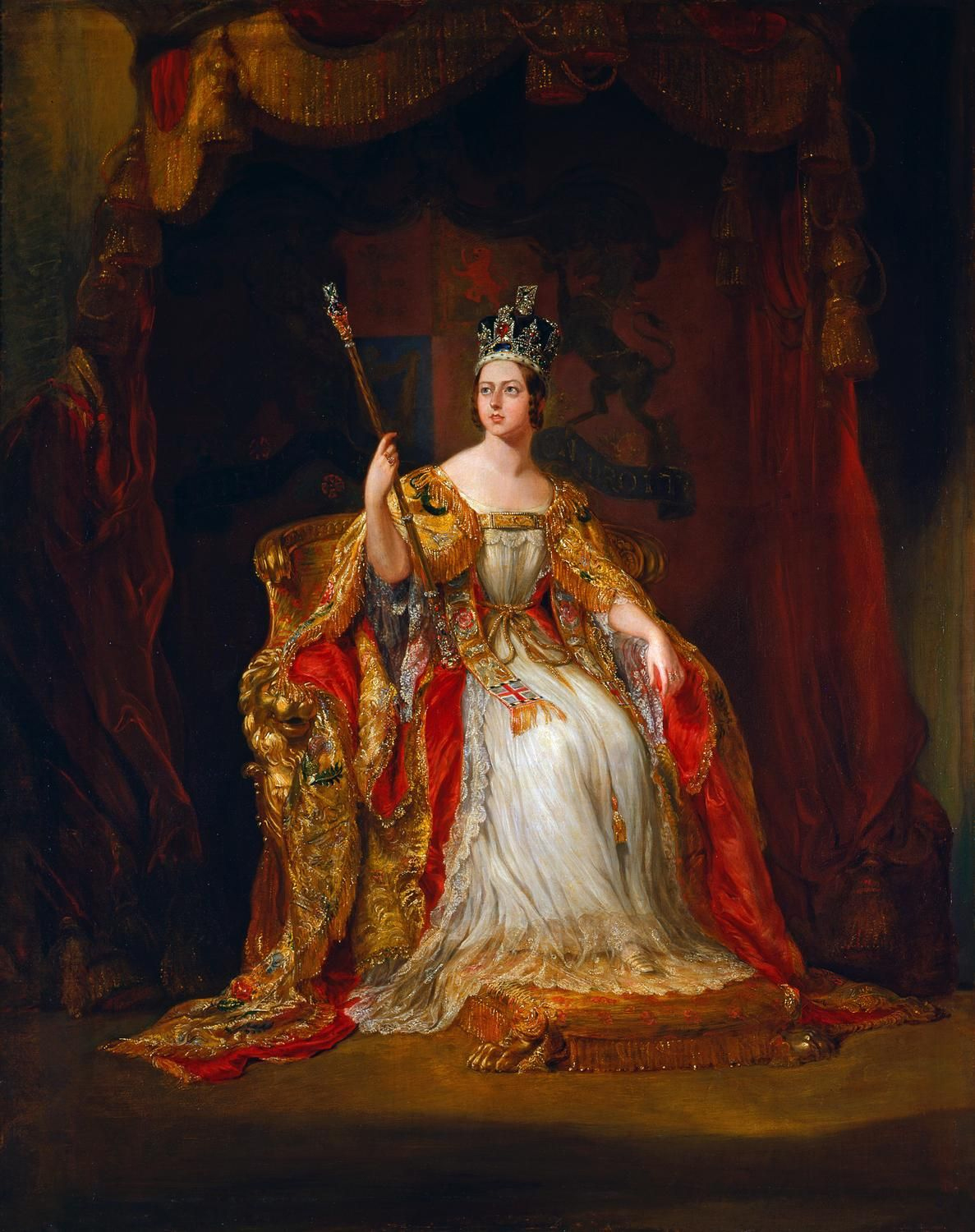
Behind armoured glass in the Jewel House at the Tower of London sits one of the most extraordinary collections of treasure anywhere on earth: the Crown Jewels. Crowns of solid gold, a sceptre crowned with the largest clear-cut diamond in the world, an orb that has been cradled in royal hands for more than three and a half centuries. All of it is gathered in a few quiet, candle-bright rooms beside the River Thames.
What makes the collection so beguiling is that it is not a museum of the past. These are working regalia, brought out of the Tower for the great ceremonies of the monarchy and then returned to public view. The very pieces visitors admire today were used at the Coronation of King Charles III and Queen Camilla on 6 May 2023, a living thread running back to the seventeenth century.
This is a gentle guide to the headline pieces: what each one is, the stones that give them their fire, and why they still take the breath away.
St Edward’s Crown: the moment of crowning
The most sacred object in the entire collection is St Edward’s Crown, the crown used at the single most important instant of a coronation, the moment the new sovereign is crowned. Made for the Coronation of Charles II in 1661, it replaced the medieval crown that had been lost in the previous decade, and it has stayed deeply significant to the monarchy ever since.
It is a solid gold frame, set with rubies, amethysts, sapphires, garnets, topazes and tourmalines, and crowned with a velvet cap and ermine band. It is also famously heavy, which is precisely why it is worn only for those few ceremonial minutes. St Edward’s Crown was last placed on a sovereign’s head in 2023, when it was used to crown King Charles III. This is the crown most people picture when they imagine a coronation: stately, ancient and gloriously golden.
The Imperial State Crown: the crown of glittering stones
If St Edward’s Crown is for the solemn moment of crowning, the Imperial State Crown is the crown of dazzle and procession. The monarch wears it on leaving Westminster Abbey at the close of the coronation, and at occasions such as the State Opening of Parliament. The present crown was made for the Coronation of King George VI in 1937, replacing an earlier version made for Queen Victoria in 1838.
Its glory lies in the stones. The Royal Collection Trust records that it is set with around 2,868 diamonds, alongside 17 sapphires, 11 emeralds and 269 pearls, a near-uncountable sparkle gathered into a single golden frame. Among them sit some of the most storied gems in the world, which deserve a closer look of their own.
Inside the Imperial State Crown: three legendary stones
Three great jewels give the Imperial State Crown its character. The first is Cullinan II, also known as the Second Star of Africa, the second-largest stone cut from the famous Cullinan Diamond, the largest rough diamond ever found. At roughly 317 carats, it is set into the front band of the crown, a clear, cool fire at its heart.
Above it, in the front cross, glows the Black Prince’s Ruby, a magnificent red stone with a history stretching back centuries. It is in fact not a ruby at all but a spinel, no less beautiful for the distinction. And set into the crown is St Edward’s Sapphire, a deep blue stone wrapped in the gentle legend of Edward the Confessor, said to have been given by the saintly king to a beggar later identified as St John the Evangelist. Together these three stones turn a crown into a storybook.
The Sovereign’s Sceptre with Cross: the great diamond
In the sovereign’s right hand during the coronation is placed the Sovereign’s Sceptre with Cross, a rod of gold first made for Charles II in 1661 and used at every coronation since. For most of its life it was a stately but relatively plain object, until 1911, when it was transformed.
In that year the Crown Jeweller, Garrard, mounted into it Cullinan I, the First Star of Africa: at around 530 carats, the largest clear-cut diamond in the world. The sceptre’s head opens to cradle the stone, and the effect is breathtaking: a single diamond so large it seems almost impossible, held aloft as a symbol of the sovereign’s power. It is one of the great wonders of the jeweller’s art, and a highlight of any visit to the Jewel House.
The Sovereign’s Orb: a world in the hand
Quieter than the crowns but no less meaningful is the Sovereign’s Orb, a golden globe surmounted by a jewelled cross, also dating from the 1661 regalia made for Charles II. During the coronation it is placed briefly in the sovereign’s hand before being set on the altar, and it carries one of the loveliest ideas in the ceremony.
The orb is a representation of the world, and the cross rising above it signifies that the monarch’s authority is understood to sit beneath the Christian faith, the globe divided by bands of jewels into the continents as they were known when it was made. Small enough to be held, vast enough to represent the whole earth, it is a beautiful piece of symbolism rendered in gold and precious stones.
Where the Crown Jewels are kept and seen
The Crown Jewels are kept under guard in the Jewel House at the Tower of London, where the collection has been protected since the 1660s and admired by visitors ever since. After their use at the 2023 Coronation, the regalia returned to public display in the Treasury of the Jewel House, where they remain today.
Seeing them in person is one of the great pleasures of royal London. Visitors pass through softly lit rooms toward the crowns themselves, often carried gently along on a moving walkway so that everyone gets their moment before the glass. The collection is among the most visited sights at the Tower, and it is easy to understand why: no photograph quite prepares you for the living, restless sparkle of the real thing. For opening times and tickets, it is always worth checking the Tower of London’s official website before a visit.
Why the Crown Jewels still enchant
It would be easy to think of the Crown Jewels as relics behind glass, but their magic lies in the opposite truth: they are still in use. The same St Edward’s Crown that crowned Charles II in 1661 crowned Charles III in 2023; the same orb, the same sceptre, the same deep continuity carried from one century into the next.
That is what makes a visit so quietly moving. To stand before these pieces is to stand in the presence of objects that have touched the heads and hands of monarchs across the better part of four hundred years. Gold and diamond and sapphire, yes, but also ceremony, story and a sense of belonging to something far larger than oneself. They are treasure in every sense, and they remain, gloriously, alive.
Browse our Royal Places & Events stories to discover more of the palaces, gardens and great occasions where Britain’s royal heritage comes beautifully to life.
Frequently asked questions
Where are the Crown Jewels kept?
The Crown Jewels are kept in the Jewel House at the Tower of London, where the collection has been protected since the 1660s. After ceremonial use they return to public display in the Treasury of the Jewel House.
What is St Edward’s Crown used for?
St Edward’s Crown is used at the single moment of crowning during a coronation. Made of solid gold in 1661, it is famously heavy and is worn only briefly; it was last used to crown King Charles III in 2023.
How many diamonds are in the Imperial State Crown?
The Imperial State Crown is set with around 2,868 diamonds, according to the Royal Collection Trust, along with 17 sapphires, 11 emeralds and 269 pearls. The monarch wears it on leaving the abbey and at the State Opening of Parliament.
What is the diamond in the Sovereign’s Sceptre?
The Sovereign’s Sceptre with Cross holds Cullinan I, the First Star of Africa. At around 530 carats, it is the largest clear-cut diamond in the world. It was mounted into the sceptre by the Crown Jeweller Garrard in 1911.
Is the Black Prince’s Ruby really a ruby?
No. The famous Black Prince’s Ruby, set in the front cross of the Imperial State Crown, is not a ruby but a spinel, a different red gemstone. It has been treasured as one of the crown’s great stones for centuries.
Are the Crown Jewels still used today?
Yes, the Crown Jewels are working regalia and remain in active ceremonial use. The collection was most recently used at the Coronation of King Charles III and Queen Camilla on 6 May 2023.
Can visitors see the Crown Jewels?
Yes, the Crown Jewels are on public display in the Jewel House at the Tower of London and are among the most visited sights there. It is best to check the Tower’s official website for current opening times and tickets.
What is the Sovereign’s Orb?
The Sovereign’s Orb is a golden globe topped by a jewelled cross, made as part of the 1661 regalia. It represents the world beneath the Christian faith and is placed briefly in the sovereign’s hand during the coronation.
Sources: Royal Collection Trust (rct.uk) and Historic Royal Palaces (hrp.org.uk). Figures such as the number of diamonds and the carat weights of the Cullinan stones are drawn from these official records; check the Tower of London’s official website for current visiting information.


