Royal Warrant Garden Products: The Brands That Grow the King's Garden
The royal warrant garden products behind the King's green fingers, from a 1912-warranted watering can to the Crown's seedsmen since Victoria.
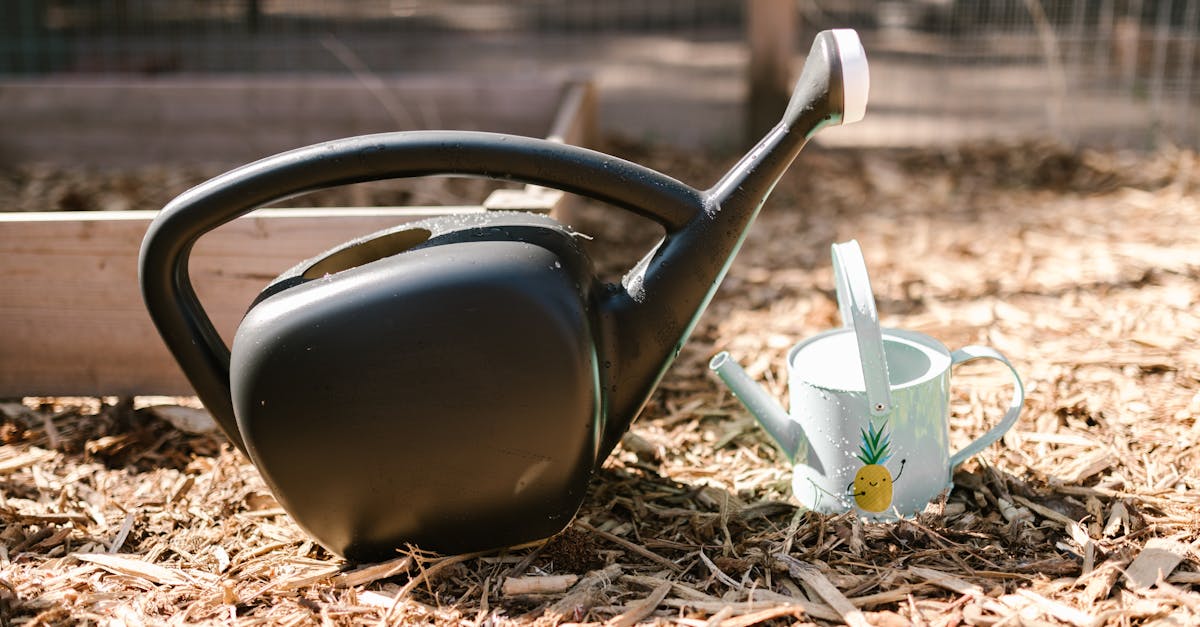
No British monarch has loved a garden quite like the present one. Long before he was King, Charles III was on his knees in the borders at Highgrove, talking to his plants and turning a Gloucestershire field into one of the most admired organic gardens in the world. A royal gardener needs royal tools, and behind the King’s green fingers sits a quiet roll of great British makers.
Royal warrant garden products are the seeds, watering cans, tools and pots made by companies that have supplied the Royal Household so reliably, for so long, that the Crown has recognised them with its warrant. There are more of them than you might think: some 45 companies hold Royal Warrants of Appointment for horticulture and gardening services to His Majesty The King.
This is a guide to the best of them: the brands with a genuine warrant, the honest difference between a warrant and an endorsement, and how to bring a little of the King’s garden home to your own.
What “royal warrant garden products” really means
A Royal Warrant of Appointment is granted to a company that has supplied the Royal Household regularly for at least five of the previous seven years. It lasts up to five years, is reviewed, and earns the maker the right to display the Royal Arms and the words “By Appointment.” For the full mechanics, our guide to what a royal warrant is explains how a brand earns one.
In the garden, that recognition covers a surprising range: seedsmen, tool-makers, nurseries, watering-can makers and estate suppliers. In December 2024, the King and Queen granted their second set of warrants of the new reign, and horticulture is one of the larger categories, a reflection, perhaps, of a monarch who genuinely gardens. A warrant is not something a brand can buy; it is earned in the soil of the royal estates, year after year.
Haws: the royal warrant watering can
If one object embodies royal warrant garden products, it is the Haws watering can. John Haws, a London plumber, began making cans from copper and galvanised iron in 1886, and his design, long-spouted, beautifully balanced, made to pour without spilling, was so good it earned a Royal Warrant in 1912.
More than a century later, that same shape is still made in England and still virtually unchanged. It is the kind of buy-once, keep-for-life tool that royal warrants tend to reward: not the flashiest thing on the shelf, but the best-made. A Haws can is a small masterpiece of British manufacturing, and the fact that it has watered royal plants for generations is written into its very outline.
Suttons: seedsmen to the Crown since Victoria
Where Haws waters, Suttons sows. Founded in Reading in 1806, Suttons became seedsmen to the Royal Family in 1858, when Queen Victoria asked Martin Hope Sutton to supply seeds to the Household. The Royal Warrant followed in 1871, and it has continued, reign after reign, right through to His Majesty The King.
That is more than a century and a half of unbroken royal seed-sowing, one of the longest garden warrants of all. It is a lovely thought that the flowers and vegetables of the royal gardens may begin as a Suttons seed packet, the same kind a weekend gardener can buy today. Few brands can claim to have grown quite literally alongside the monarchy for so long.
Royal warrant or RHS endorsement? Burgon & Ball
Here is a distinction worth knowing, because it trips up many a shopper. Not every garden brand with a royal-sounding badge holds a warrant. Burgon & Ball, the celebrated Sheffield tool-maker forging fine garden tools since 1730, carries the endorsement of the Royal Horticultural Society (it is the only garden tool range the RHS endorses), but that is not the same as a Royal Warrant.
An RHS endorsement means the tools have been tested and approved by the country’s leading gardening charity; a Royal Warrant means the maker has supplied the Royal Household itself. Both are marks of quality, and a brand can be wonderful without either. But when you are shopping for royal warrant garden products specifically, it pays to look for the Royal Arms and the “By Appointment” legend, not just a royal-flavoured logo.
The King’s own garden: Highgrove
No account of royal gardening is complete without Highgrove. Since the 1980s, King Charles III has shaped the gardens around his Gloucestershire home into a living manifesto for organic, sustainable horticulture: wildflower meadows, a walled kitchen garden, the famous thyme walk and not a chemical spray in sight. It is the garden that inspired a movement, and it is open to visitors in season; our guide to Highgrove, the King’s garden tells its full story.
Highgrove is also, quietly, a shop with a purpose. Every purchase from the Highgrove Shop funds the work of The King’s Foundation, the charity through which the King pursues his interests in nature, craft and education. It means that buying a jar of Highgrove honey or a packet of seeds is not just a souvenir. It is a small contribution to the causes the King has championed for half a century.
Bringing Highgrove home
The Highgrove garden range is where royal gardening becomes something you can hold. The King’s Rose, a vivid fuchsia-and-white bloom created with the great English rose breeder David Austin for The King’s Foundation, lets a home gardener grow a flower that honours the monarch himself. Terracotta pots handcrafted by Whichford Pottery, the Warwickshire makers whose flowerpots grace royal gardens, bring the same weathered elegance to a modest patio.
Beyond the tools and plants, the King’s love of the garden extends to the table. Duchy Organic, the organic food brand he founded, grew directly out of the Highgrove philosophy. Our profile of Duchy Organic, the King’s food brand traces how a garden idea became a supermarket staple. Together they show how a single, deeply held belief in working with nature has rippled out from one Gloucestershire garden into millions of British homes.
How to garden the royal way
You need neither an estate nor a warrant to garden as the King does. The royal method is simple and rather democratic: work organically, choose tools made to last, grow for pollinators as much as for show, and be patient. A Haws can, a packet of Suttons seeds, a Whichford pot and a rose bush will take you a long way.
The royal gardening calendar peaks each May at the Chelsea Flower Show, where the King and the wider family are regular visitors and where many warrant holders exhibit; our guide to the Chelsea Flower Show is the place to start if you want to see British horticulture at its glorious best. The lesson of the royal garden is that good gardening is less about grandeur than about care, repeated over years, the very quality a Royal Warrant is designed to reward.
Why it still matters
In an age of disposable everything, royal warrant garden products stand for the opposite: tools and seeds made so well, by makers so trusted, that the Crown itself keeps coming back. That thread runs from Victoria’s seed order in 1858 to the King on his knees at Highgrove today, a century and a half of gardening done properly.
That is the quiet appeal. To fill a watering can made in 1912’s tradition, or sow a seed from the Crown’s own seedsmen, is to join a very old and very English story. Browse more of our Royal Warrant Brands stories to meet the makers who hold the King’s approval.
Frequently asked questions
What garden products have a royal warrant?
Genuine royal warrant garden products include Haws watering cans (warrant since 1912) and Suttons seeds (seedsmen to the Crown since 1858, warranted from 1871). Around 45 companies hold Royal Warrants for horticulture and gardening services to His Majesty The King; the full list is held by the Royal Warrant Holders Association.
Does Haws have a royal warrant?
Yes. Haws watering cans were awarded a Royal Warrant in 1912 and the brand has been recognised for its English-made cans ever since. The classic long-spouted design has remained virtually unchanged for over a century.
Is Burgon & Ball a royal warrant holder?
Burgon & Ball is endorsed by the Royal Horticultural Society (the only garden tool range the RHS endorses), but an RHS endorsement is not the same as a Royal Warrant. Both are marks of quality, but only a warrant reflects supplying the Royal Household directly.
What seeds do the royals use?
Suttons has supplied seeds to the Royal Family since 1858 and holds a Royal Warrant as seedsmen. Founded in 1806, it remains one of the longest-standing royal garden warrant holders, and its seeds are widely available to home gardeners.
Can you buy Highgrove garden products?
Yes. The Highgrove Shop sells garden-inspired products including the David Austin King’s Rose, Whichford Pottery flowerpots, seeds, honey and homeware. All proceeds fund The King’s Foundation, the charity behind the King’s work in nature and craft.
How many royal warrant holders are there for gardening?
Around 45 companies hold Royal Warrants of Appointment for horticulture and gardening services to His Majesty The King, spanning seedsmen, tool-makers, nurseries and estate suppliers. The number changes as warrants are reviewed and renewed.
Warrant holdings change as the roll is reviewed; details are correct as of 2026. For the definitive current list, see royalwarrant.org.


