Queen Elizabeth II: Fast Facts and Her Reign in Numbers
Seventy years and 214 days, fifteen Prime Ministers, and a family that grew to include twelve great-grandchildren. Here is the late Queen's life in essential facts.
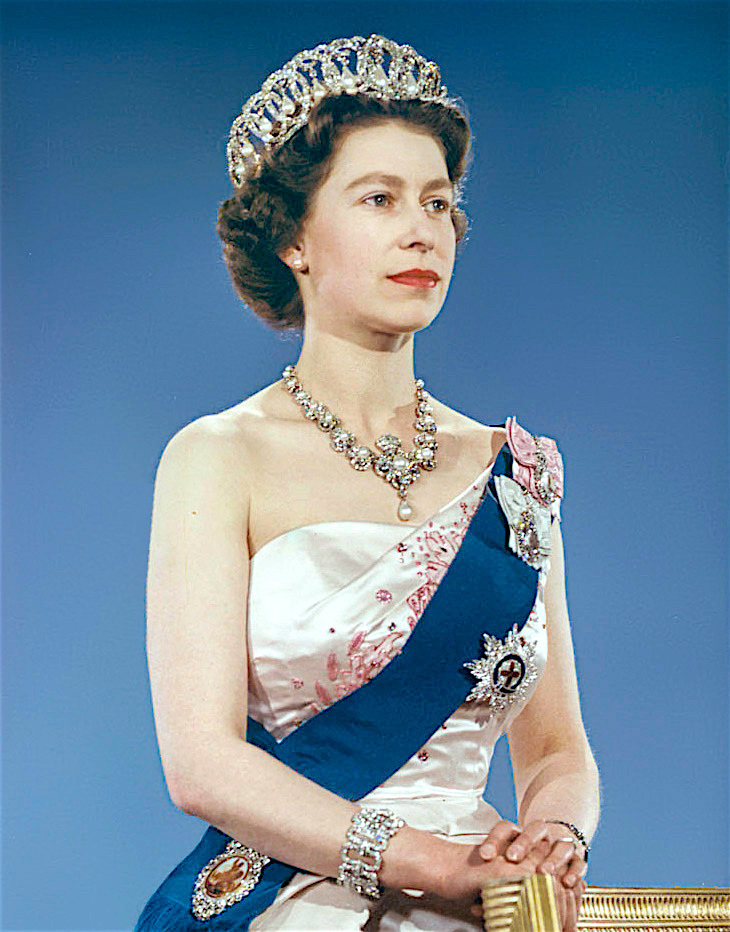
Queen Elizabeth II’s life spanned so much of modern British history that the essential facts are easy to lose beneath the sheer scale of it. Gathered together, they tell their own remarkable story.
Born Elizabeth Alexandra Mary Windsor
Elizabeth was born on 21 April 1926 in Mayfair, London, the elder daughter of the Duke and Duchess of York, later King George VI and Queen Elizabeth, the Queen Mother. She was not formally schooled, being educated privately at home alongside her younger sister, Princess Margaret, a common arrangement for royal children of the era.
Married at 21, four children
She married Philip Mountbatten, later Prince Philip, Duke of Edinburgh, on 20 November 1947, and the couple went on to have four children: Charles, born in 1948; Anne, in 1950; Andrew, in 1960; and Edward, in 1964.
Queen at 25, crowned at 27
Elizabeth became Queen on 6 February 1952, at the age of 25, following the sudden death of her father, King George VI, while she was on a Commonwealth tour in Kenya. Her coronation followed on 2 June 1953 at Westminster Abbey, allowing time for the customary period of mourning and preparation.
Seventy years and 214 days
Elizabeth II reigned for 70 years and 214 days, the longest reign of any British monarch and, at the time of her death, the second-longest verified reign of any monarch in world history, surpassed only by France’s Louis XIV. She died on 8 September 2022, and was succeeded immediately by her eldest son, King Charles III.
Fifteen Prime Ministers, from Churchill to Truss
Across those seventy years, Elizabeth worked with fifteen different UK Prime Ministers, beginning with Sir Winston Churchill in 1952 and ending with Liz Truss, appointed just two days before the Queen’s death in September 2022, a bookend to her reign that placed the country’s oldest and one of its shortest-serving Prime Ministers at either end of it.
Eight grandchildren, twelve great-grandchildren
By the time of her death, Elizabeth had eight grandchildren: Prince William, Prince Harry, Peter Phillips, Zara Tindall, Princess Beatrice, Princess Eugenie, Lady Louise Windsor and James, Earl of Wessex. She had twelve great-grandchildren in total, spanning the families of several of her children and grandchildren, a genuinely large family by the standards of any modern British monarch.
A life told in numbers, and in something more
No list of dates and figures fully captures seventy years of continuous public service, but together they give a genuine sense of scale: a reign that outlasted fifteen governments, spanned five generations of her own family, and touched, in one way or another, nearly every living person in Britain by the time it ended.
Browse more of our Royal Figures stories for more of the late Queen’s remarkable life and legacy.
Frequently asked questions
When and where was Queen Elizabeth II born?
21 April 1926, in Mayfair, London, the elder daughter of the future King George VI and Queen Elizabeth, the Queen Mother.
Did Queen Elizabeth II go to school?
No. She was educated privately at home by tutors, alongside her younger sister, Princess Margaret, a common arrangement for royal children of the era.
How long did Queen Elizabeth II reign?
70 years and 214 days, from 6 February 1952 until her death on 8 September 2022, the longest reign of any British monarch.
How many Prime Ministers served under Queen Elizabeth II?
Fifteen, beginning with Sir Winston Churchill in 1952 and ending with Liz Truss, appointed just two days before the Queen’s death.
How many grandchildren and great-grandchildren did Queen Elizabeth II have?
Eight grandchildren and twelve great-grandchildren by the time of her death in 2022.
Who succeeded Queen Elizabeth II?
Her eldest son, King Charles III, who became King immediately upon her death.
Biographical and reign details are drawn from royal.uk’s official life-and-reign records and standard royal-historical references; correct as of 2026.


