Princess Elizabeth, Duchess of Edinburgh: The Years Before the Crown
Before she was Queen, Elizabeth II was Duchess of Edinburgh: a young navy wife in Malta and a new mother, in the happiest, freest years of her life.
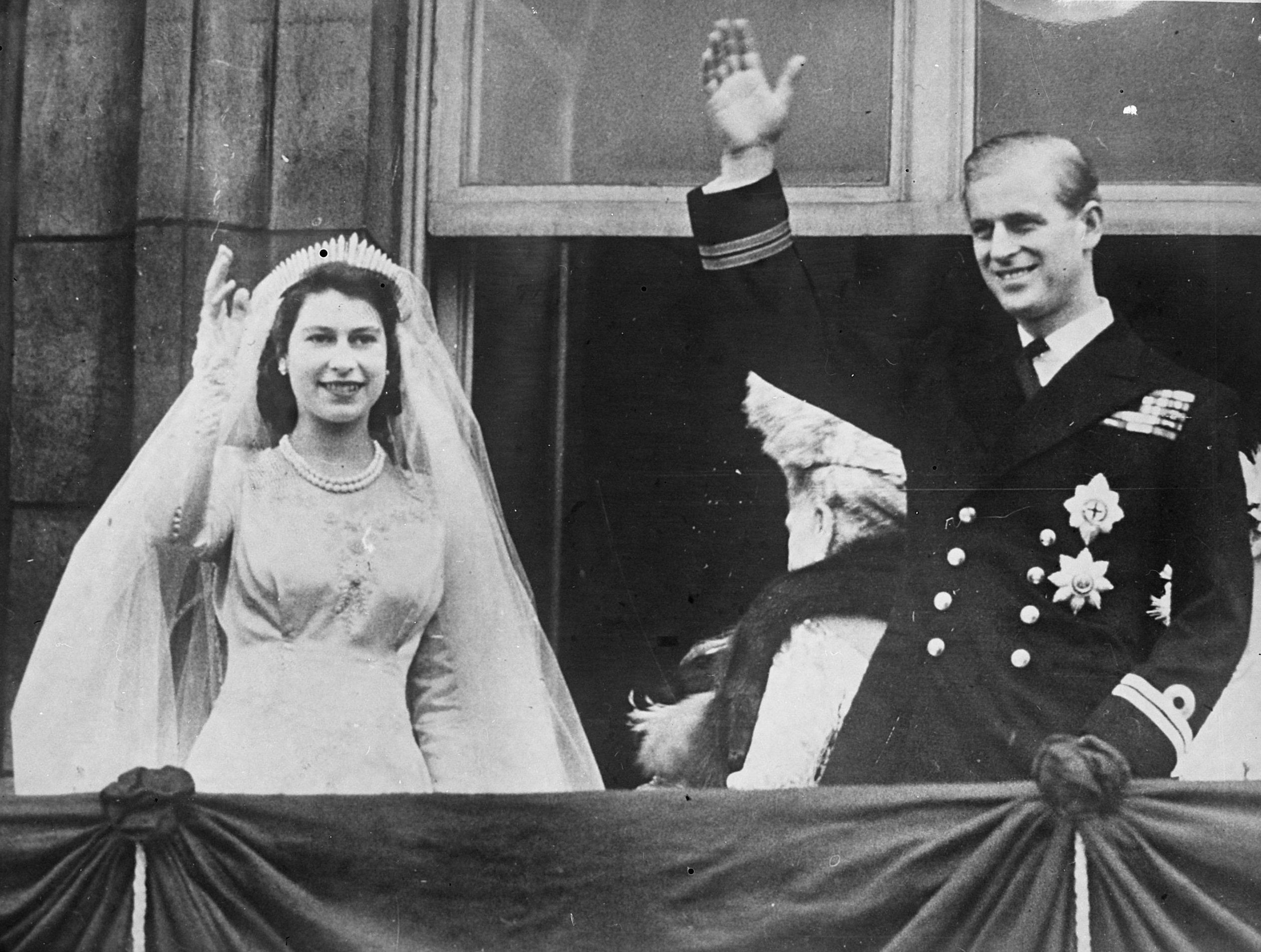
We remember Elizabeth II as Queen, the longest-reigning monarch in British history, a fixture of national life for seventy years. But before the crown, before the weight of it all, there were a few golden years when she was simply a young wife and mother with a title that few now remember: Her Royal Highness Princess Elizabeth, Duchess of Edinburgh.
Between her marriage in 1947 and her accession in 1952, the future Queen lived a life closer to ordinary happiness than she would ever know again. It was a chapter of first homes and young children, of Mediterranean sunshine and a naval officer’s wife’s freedom, the calm before a lifetime of duty. It is one of the most quietly moving stories in the royal history books.
Here is the tale of Princess Elizabeth, Duchess of Edinburgh: the years before the crown.
A wedding and a new title
On the morning of 20 November 1947, in a Britain still grey with post-war austerity, Princess Elizabeth married Lieutenant Philip Mountbatten at Westminster Abbey. That same morning, the King created Philip Duke of Edinburgh, and so the 21-year-old princess became, by marriage, Her Royal Highness Princess Elizabeth, Duchess of Edinburgh.
The wedding was a rare burst of colour in a rationed nation; the future Queen famously saved coupons for her Norman Hartnell gown. It marked the start of a marriage that would last more than seventy years, and the beginning of a brief, precious spell of relative normality before history called.
Clarence House: a first home
The young couple made their first proper home at Clarence House, the elegant London residence they refurbished together in the late 1940s. For a short while, they were able to live something like the life of a young married couple: setting up home, entertaining friends and beginning a family. It was a domesticity that the palace years would never quite allow again.
It was, by all accounts, a happy household. Freed for the moment from the full glare of royal duty, Elizabeth and Philip built the private foundation of a partnership that would go on to steady the monarchy through decades of change.
The Malta years: a sailor’s wife
The happiest chapter came far from London. In 1949, Philip returned to active service with the Royal Navy and was posted to Malta, and Elizabeth joined him there. For roughly two years, she lived as an ordinary naval officer’s wife: driving herself, shopping, dining out, and enjoying a freedom almost unimaginable for a future monarch.
Her cousin Margaret Rhodes later reflected that “her happiest time was when she was a sailor’s wife in Malta.” It is a poignant thought: that the woman who would give her life to duty treasured most the brief window when she was simply Mrs Mountbatten, or the young Duchess of Edinburgh, at ease in the Mediterranean sun.
A young family
These were also the years she became a mother. Prince Charles, the future King Charles III, was born in November 1948, and Princess Anne followed on 15 August 1950. For a short time, the young Duchess of Edinburgh could be, first and foremost, a wife and a mother, splitting her life between a London home and a Mediterranean posting.
It is a version of the Queen we rarely picture: not on a throne but pushing a pram, a young woman building a family in the ordinary, extraordinary way. Those early years with her children were among the few she would ever spend outside the full machinery of monarchy.
The call to the throne
It could not last. King George VI’s health was failing, and in early 1952 Elizabeth and Philip set out on a Commonwealth tour in his place. It was in Kenya, on 6 February 1952, that the King died in his sleep, and Elizabeth, just 25 years old and half a world from home, became Queen.
She had climbed a tree in Kenya a princess and a Duchess of Edinburgh; she came down, in the famous telling, a Queen. The golden years were over, and a reign of seventy years had begun. From that moment, duty would define the rest of her long life.
The Duchess who became Queen
There is something deeply moving about those five short years: the last time Elizabeth II belonged fully to herself and her young family before she belonged to the nation. They are a reminder that behind every monarch is a person, with a first home, a young marriage and a longing for ordinary happiness.
The title lives on: today, Sophie is the Duchess of Edinburgh, as we explore in our piece on Sophie, Duchess of Edinburgh. But the first modern holder was a young princess who treasured her brief freedom before a lifetime of service. Browse more of our Royal Figures stories to explore the lives behind the crown.
Frequently asked questions
Was Queen Elizabeth II ever Duchess of Edinburgh?
Yes. When she married Prince Philip in 1947, he was created Duke of Edinburgh, and she became Her Royal Highness Princess Elizabeth, Duchess of Edinburgh. She held the title until she became Queen in 1952.
Where did Princess Elizabeth live before she was Queen?
She and Prince Philip made their first home at Clarence House in London, which they refurbished in the late 1940s, and spent time in Malta, where Philip was posted with the Royal Navy from 1949.
Why were the Malta years special to the Queen?
In Malta, Elizabeth lived as a relatively ordinary naval officer’s wife, with a freedom she would never have again. Her cousin Margaret Rhodes said it was “her happiest time,” a rare spell of normal life before the throne.
When were Prince Charles and Princess Anne born?
Prince Charles was born in November 1948 and Princess Anne on 15 August 1950, both during the years when Elizabeth was Duchess of Edinburgh, before her accession.
When did Princess Elizabeth become Queen?
Elizabeth became Queen on 6 February 1952, aged 25, on the death of her father King George VI. She was on a Commonwealth tour in Kenya at the time, half a world from home.
Historical details are drawn from widely published accounts of Queen Elizabeth II’s life; dates and titles are as recorded in the royal record.


