King Charles III: A Lifetime of Causes
From The King's Trust to organic farming at Highgrove and the model town of Poundbury, the convictions that shaped the longest royal apprenticeship in British history, and now a reign.
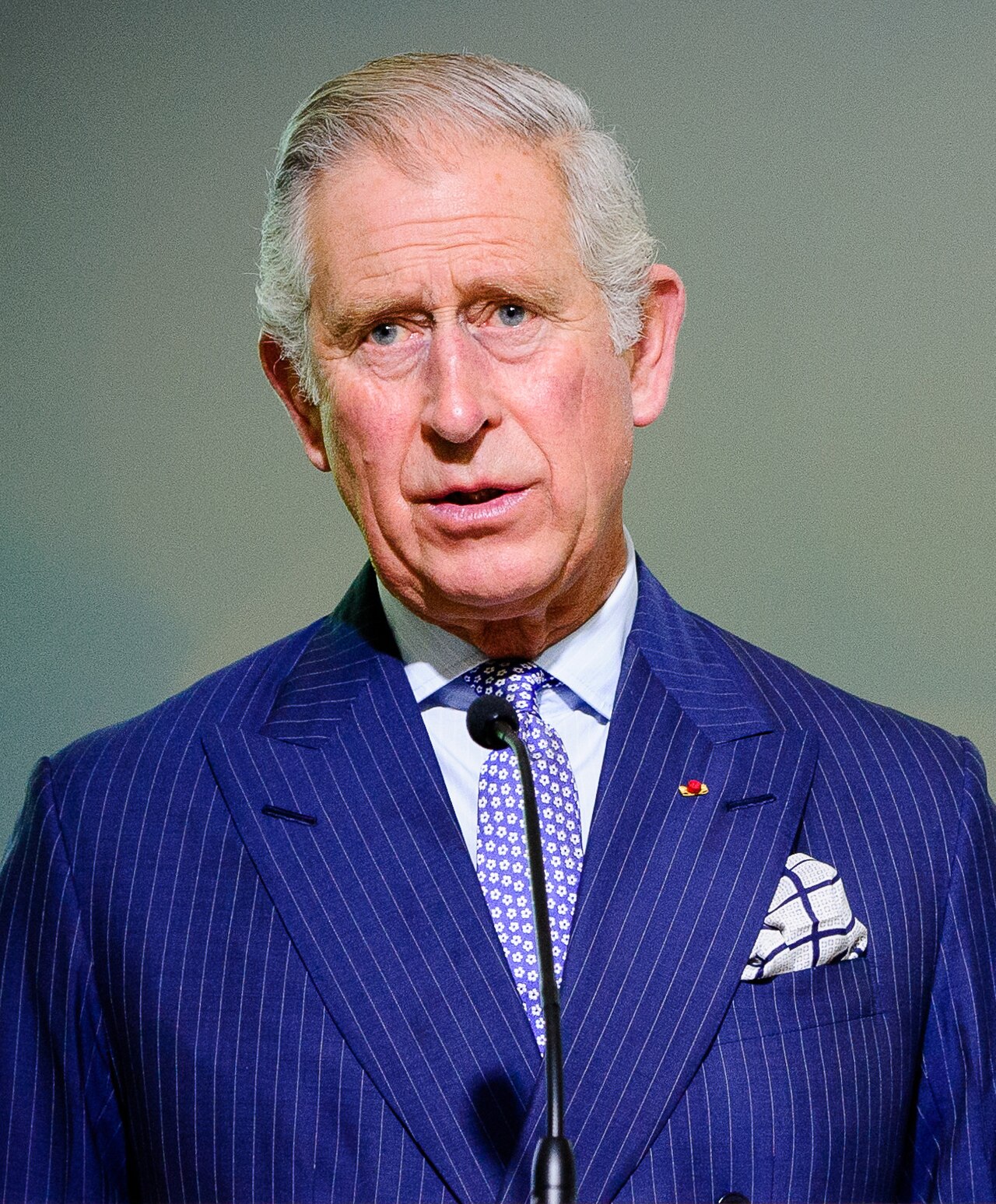
For most of his life, the man the world now knows as King Charles waited. He held the title of heir for longer than anyone in British history, and rather than treating those decades as a holding pattern, he filled them with purpose. From a young office on a modest budget to estates, farms and a model town built on his own principles, His Majesty King Charles III turned the long apprenticeship of waiting into a lifetime of causes.
What is striking, looking back, is how early he arrived at ideas that the rest of the world would only catch up to much later. Organic food, walkable towns, traditional crafts, the health of the natural world: convictions once gently mocked as eccentric are now close to common sense. This is the story of those causes, warmly told: not a list of charities, but a portrait of a man who believed that tradition and the future belong together.
He came to the throne on 8 September 2022, on the death of his mother, Queen Elizabeth II. By then his life’s work was already written into the landscape of Britain: in gardens, in classrooms, in the lives of young people who were given a chance.
The young person’s champion
In 1976, the then Prince of Wales used part of his Royal Navy severance pay to seed a small charity with an outsized ambition: to help young people who were struggling find their feet. That charity became The Prince’s Trust, and following his accession, it was renamed The King’s Trust in 2023.
Its mission has never wavered. It backs young people aged roughly 11 to 30 who face hurdles (leaving school without qualifications, unemployment, difficult starts in life) and helps them into work, education or enterprise. Since 1976 the Trust reports having supported well over a million young people across the United Kingdom, a remarkable through-line for an organisation born from one heir’s belief that no young life should be written off. It remains, for many, the most personal and human of all his causes.
The organic pioneer at Highgrove
At Highgrove, his Gloucestershire home, the then Prince of Wales began converting the land to organic farming in the 1980s, a moment when chemical-free agriculture was distinctly unfashionable and, to some, faintly absurd. He persevered, planting gardens that are now celebrated and run as a working organic estate.
That conviction took commercial form in 1990, when he founded Duchy Originals. The very first product was an oaten biscuit made with wheat and oats grown organically on the Home Farm at Highgrove. From that single biscuit grew a respected food brand; today it lives on as Waitrose Duchy Organic, with profits flowing back to his charitable work. What began as a personal experiment in growing food honestly has become a fixture of the British supermarket shelf, and a quiet vindication of patience.
A model town: Poundbury
Few of his causes have been as boldly built as Poundbury, the urban extension on the western edge of Dorchester in Dorset, developed on land belonging to the Duchy of Cornwall. Designed by the architect Léon Krier, who was engaged in the late 1980s, it set out to prove that a new town could be beautiful, walkable and human in scale.
Poundbury was widely doubted at the outset, dismissed by some critics as nostalgic pastiche. Construction began in 1993, and over the decades that scepticism has softened into serious study. The “Poundbury Principles” (mixing homes, shops and workplaces; weaving in affordable housing; using local materials; and designing for people on foot rather than for cars) are now examined by planners and developers from around the world. The town is due for completion around 2028, a living argument that the places we build should serve the people who live in them.
Saving Dumfries House
In 2007, an exceptional Georgian house in Ayrshire, together with its rare collection of Chippendale furniture, stood on the brink of being sold off and dispersed. The then Prince of Wales stepped in, leading a consortium that raised the funds to save Dumfries House and its contents for the nation.
It proved to be far more than a rescue of bricks and antiques. Restored and reopened, Dumfries House became the headquarters of his educational charity, now The King’s Foundation. There, learners of all ages study traditional building crafts, hand-sewing and knitting, horticulture, food and farming, and hospitality: practical skills passed from one generation to the next. A house that might have been emptied and forgotten is instead alive with apprentices, a fitting symbol of his belief that heritage is worth preserving precisely because it can still teach us.
Craft, beauty and the built environment
Running beneath Poundbury and Dumfries House is a deeper theme: a lifelong conviction that beauty and craftsmanship matter, and that the built environment shapes how well we live. The educational charity now known as The King’s Foundation grew out of an institute he established to champion traditional architecture and the skills that sustain it.
He has long argued that good design is not a luxury but a public good, that harmony between people, place and nature is something to be deliberately built, not left to chance. In an age of the disposable and the mass-produced, his steady championing of the handmade, the local and the enduring has helped keep age-old crafts alive and given them a new generation of practitioners.
A lifetime for the environment
If one cause has defined him above all others, it is the natural world. The King was warning about the health of the planet (pollution, the loss of habitats, the long-term cost of how we farm and consume) decades before the climate became a global priority. For years this earned him puzzled looks; today it reads as foresight.
His advocacy has carried him onto the world stage, including an address at the COP21 climate summit in Paris in 2015. But it has always been rooted in the practical as much as the rhetorical: organic fields at Highgrove, sustainable building at Poundbury, conservation woven through his charitable work. For the King, caring for the environment has never been an abstraction. It is gardening, farming and building, done thoughtfully and for the long term.
A reign built on conviction
What unites these causes is a single idea, held with great consistency: that tradition and the future are not opposites, and that caring for the land, our crafts and our communities is a duty rather than a passing fashion. The young person given a start by The King’s Trust, the organic biscuit, the walkable town, the rescued house: each is a different expression of the same belief.
After the longest of apprenticeships, King Charles III carried those lifelong convictions with him to the throne. The waiting, it turns out, was never idle. It was a lifetime of quiet, patient work, and the country is the richer for it.
Browse our Royal Figures stories to discover more of the people whose lives have shaped the modern monarchy.
Frequently asked questions
What is The King’s Trust?
The King’s Trust is the charity King Charles III founded in 1976 as The Prince’s Trust, to help young people facing difficulties find work, training or enterprise. It was renamed The King’s Trust in 2023 following his accession, and reports having supported well over a million young people since its founding.
When did Charles start organic farming at Highgrove?
The then Prince of Wales began converting Highgrove to organic farming in the 1980s, well before chemical-free agriculture became fashionable. The estate’s gardens are now celebrated, and its produce inspired the food brand he later founded.
What is Duchy Originals?
Duchy Originals is the organic food company King Charles III founded in 1990 as the Prince of Wales. Its first product was an oaten biscuit made from crops grown organically at Highgrove, and the brand lives on today as Waitrose Duchy Organic, with profits supporting his charitable work.
What is Poundbury?
Poundbury is a model town on the edge of Dorchester in Dorset, developed on Duchy of Cornwall land and designed by architect Léon Krier. Built on principles of walkability, mixed use and traditional design, construction began in 1993 and is expected to be completed around 2028.
Why is Dumfries House significant?
Dumfries House is a Georgian house in Ayrshire that the then Prince of Wales helped save for the nation in 2007, along with its rare Chippendale furniture. It now serves as a base for The King’s Foundation, where people of all ages learn traditional crafts and skills.
What is The King’s Foundation?
The King’s Foundation is King Charles III’s educational charity, formerly The Prince’s Foundation, focused on traditional crafts, sustainable building and community. It teaches skills ranging from building crafts and textiles to horticulture, food and farming, much of it based at Dumfries House.
When did Charles become King?
Charles became King on 8 September 2022, on the death of his mother, Queen Elizabeth II. His coronation followed in May 2023.
Was Charles really an early environmentalist?
Yes. The King was advocating for the environment and sustainable farming for decades before it became a mainstream concern, and addressed world leaders on the subject at the COP21 climate summit in Paris in 2015.
This is a general, celebratory overview drawn from royal.uk and reputable press; for full detail on the King’s charities and initiatives, please consult their official websites.


