Did Queen Elizabeth Need a Passport or Driving Licence?
The late Queen never carried a passport and never held a driving licence, for exactly the same reason. Here is why, and a few more of her everyday quirks.
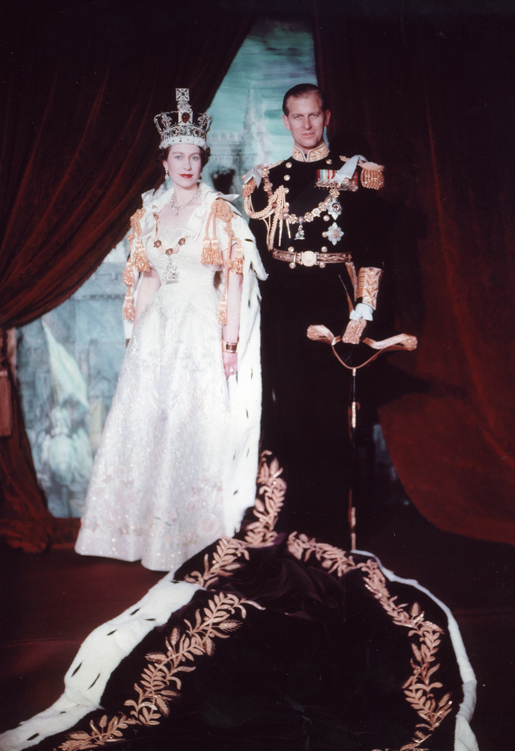
Some of the most enduring trivia about Queen Elizabeth II has nothing to do with the seventy years of state occasions and everything to do with small, oddly logical exceptions built into how the monarchy actually works.
No passport, for a genuinely logical reason
Queen Elizabeth II never carried a British passport, and the reason is refreshingly simple rather than some special personal privilege: every UK passport is issued in the Sovereign’s name, in the form of a request from the monarch to allow the holder to pass freely. Since the passport is effectively her own instruction to the world, there was never a need for her to hold a document that was, in a real sense, already hers by default.
The only driver in Britain without a licence
The same logic explains why Elizabeth was the only person in the United Kingdom who could legally drive without a licence or number plates. Because driving licences, like passports, are issued under the monarch’s authority, she was not required to hold one herself, and she was known to drive on her private estates, including Balmoral and Sandringham, well into her later years without ever needing to prove she was entitled to.
She started paying tax anyway
Despite being legally exempt from income tax, Elizabeth volunteered to begin paying it from 1992 onward, an announcement made by the government that November following a difficult year for the monarchy’s public image, including the Windsor Castle fire and mounting criticism of royal finances. Since 1993, the monarch’s personal income has been taxed in the same way as any other taxpayer’s, a voluntary arrangement King Charles III has continued.
A gin and Dubonnet before lunch
Elizabeth’s reported drink of choice was a gin and Dubonnet cocktail, generally mixed with roughly two parts Dubonnet, a French aromatised wine, to one part gin, along with a slice of lemon, said to have been a consistent, long-standing preference across much of her adult life, occasionally cut back in her later years on medical advice.
Small exceptions, genuinely logical once explained
None of these quirks were arbitrary royal privilege dreamed up for its own sake; each one follows directly from the same underlying fact, that so much of the machinery of the British state, passports, driving licences, the courts, technically operates in the monarch’s name. Elizabeth wasn’t exempt from the rules so much as she was, in a very literal legal sense, where several of those rules actually originated.
Browse more of our British Living stories for more of the everyday details behind royal life.
Frequently asked questions
Why didn’t Queen Elizabeth II need a passport?
Because UK passports are issued in the Sovereign’s name as a request to allow the holder to travel freely. Since the document was effectively hers to begin with, she had no need to carry one herself.
Did Queen Elizabeth II have a driving licence?
No. She was the only person in the UK who could legally drive without a licence or number plates, for the same reason she needed no passport: driving licences are also issued under her authority.
Did Queen Elizabeth II pay tax?
She was legally exempt but volunteered to begin paying income tax from 1992, an arrangement continued by King Charles III.
What was Queen Elizabeth II’s favourite drink?
A gin and Dubonnet cocktail, generally two parts Dubonnet to one part gin with a slice of lemon, reported as a long-standing personal favourite.
Did Queen Elizabeth II actually drive herself?
Yes, particularly on her private estates such as Balmoral and Sandringham, where she was known to drive well into her later years.
Details are drawn from standard royal-affairs reporting and royal.uk’s published material on royal finances; correct as of 2026.


