Berry Bros & Rudd: Britain's Oldest Wine and Spirits Merchant
The story of Berry Bros & Rudd at 3 St James's Street — trading since 1698, the coffee-mill sign, the famous scales and the birth of Cutty Sark.
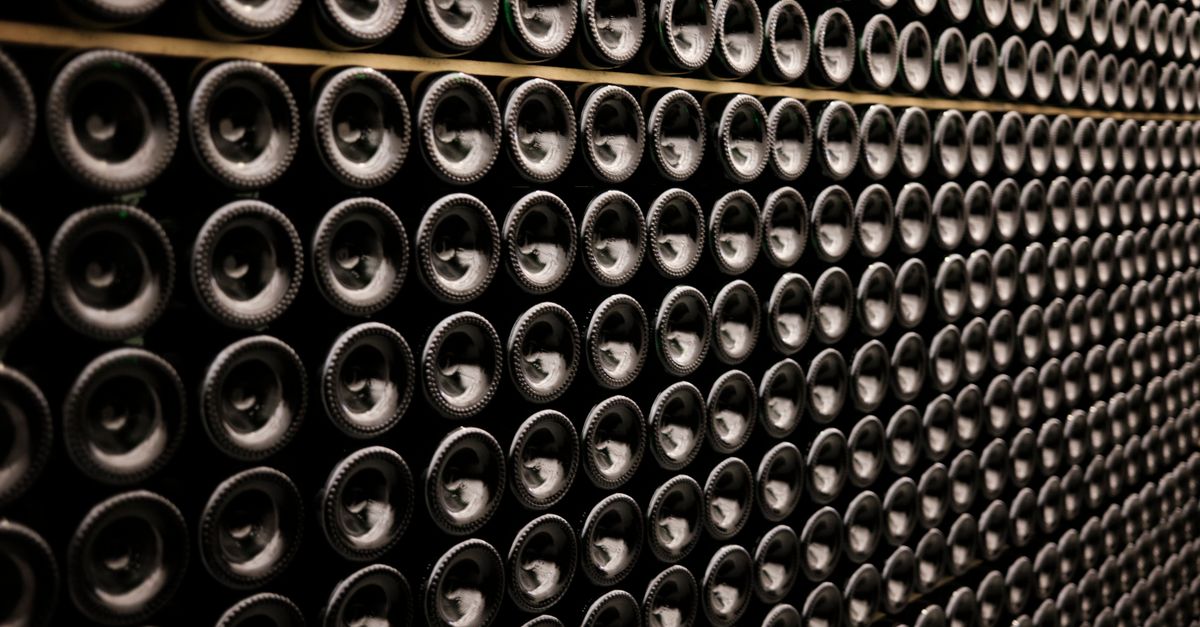
Turn off Piccadilly and down towards St James’s Palace, and you will pass a shopfront that looks much as it has for centuries. The glass is old, the paint is dark, and hanging above the door is the unmistakable sign of a coffee mill. This is No. 3 St James’s Street, home of Berry Bros & Rudd, Britain’s oldest wine merchant, and a shop that has been trading from this very spot since 1698.
It is one of the great survivors of London life. While the city around it has been rebuilt many times over, Berry Bros & Rudd has stayed put, kept its panelling, kept its name and kept its family. For anyone with a fondness for the things Britain does quietly and beautifully, it is a small wonder hiding in plain sight.
What follows is the story of how a widow’s grocery became a name spoken with reverence by wine lovers the world over.
A widow’s shop on St James’s Street
The story begins with a woman. According to the merchant’s own history, the business was founded in 1698 by a figure recorded simply as the Widow Bourne, who opened a grocer’s shop opposite St James’s Palace. It was a shrewd place to set up. The court lived and moved nearby, and the wealthy households of St James’s needed supplying with the fashionable goods of the day.
That original address — No. 3 St James’s Street — remains the firm’s home more than three centuries later. The building is Grade II* listed, its frontage a survivor from another age, and the cellars beneath it run deep below the London pavement. Few businesses anywhere can claim to have traded continuously from the same address for so long. It is this unbroken thread, more than anything, that makes a visit feel less like shopping and more like stepping gently backwards in time.
The neighbourhood grew up around the trade in fine things. St James’s became the quarter of gentlemen’s clubs, hatters, bootmakers and wine merchants, each cultivating the kind of discreet excellence that asks for no announcement. Berry Bros & Rudd sits at the heart of it, and over the centuries it has watched the street change while holding firmly to its own habits. The shop floor is famously unshowy: dark wood, worn boards and the gentle hush of a place that has never felt the need to shout. The firm’s present name brings together two trusted families: the Berry family, long at the centre of the business, and Hugh Rudd, a respected wine merchant from a Norwich family firm who joined the partnership around 1920. When the business became a limited company in the 1940s, the name Berry Bros & Rudd was formally adopted, and it has stood ever since.
The sign of the coffee mill
Look up at the shopfront and you will see no grand modern logo, only a coffee mill. There is a charming reason for it. In its early years the shop supplied the newly fashionable coffee houses that had sprung up around St James’s, and it took the coffee mill as the sign of its trade — the way merchants once advertised themselves before street numbers were common.
The business was carried on by the Pickering family, descendants of the founder, and it was they who adopted the emblem that still hangs outside today. The merchant continues to trade, in its own words, under the “Sign of the Coffee Mill.” It is a delightful detail: a wine and spirits house of international renown still flying the flag of the humble bean that once filled its shelves. Heritage, here, is not a marketing exercise but a fact of the building itself.
The famous weighing scales
Among the shop’s most beloved curiosities are its great pair of weighing scales. Originally a grocer’s tool for weighing tea, coffee and spices, they became, over time, the stage for one of London’s gentler eccentricities: the weighing of customers. Patrons would sit on the scales and have their weight recorded in the shop’s ledgers, a fashionable amusement that the firm dates to around the 1760s.
The custom is said to have drawn a remarkable cast of names over the generations. The poet Lord Byron, the dandy Beau Brummell, the statesman William Pitt and the Aga Khan are all popularly counted among those recorded — though the precise details of any single weighing should be treated as part of the shop’s well-loved lore rather than gospel. The ledgers themselves survive, a quiet record of celebrated visitors stretching back more than two centuries. That such a small ritual was kept up for so long says much about the character of the place.
Royal Warrants and the King’s wine
The court connection that first drew the Widow Bourne to St James’s never faded. Berry Bros & Rudd has supplied wine to the British Royal Family since the reign of King George III, and it counts the Royal Warrant among its proudest distinctions — the mark granted to firms that have supplied the Royal Household to a high standard.
The merchant has held warrants across reigns, and its 300th anniversary in 1997 was marked with the award of a Royal Warrant by the then Prince of Wales. A Royal Warrant is not bought or applied for casually; it is granted to firms that have supplied the Royal Household over a sustained period and to an exacting standard, and it carries with it the right to display the royal arms. For a wine merchant, it is among the highest endorsements imaginable. As with all such grants, warrant status is reviewed periodically and can be reappointed or withdrawn as reigns change, so the precise warrants held at any moment are best confirmed with the firm itself. What is beyond doubt is the depth of the relationship: a wine merchant trusted by the Crown for the better part of three centuries, supplying the cellars of monarchs across the generations.
The birth of Cutty Sark
Not every chapter of the story is bound to St James’s Street. In 1923 Berry Bros & Rudd created one of the most recognisable Scotch whiskies in the world: Cutty Sark. It was conceived as a lighter, paler style of whisky, a deliberate contrast to the heavy, dark drams that dominated the market at the time.
The whisky took its name from the famous tea clipper — the Cutty Sark, herself now preserved at Greenwich — and its striking yellow label was designed by the Scottish artist James McBey. The pale colour was no accident; it spoke of the lighter, more approachable character the merchant was after, and it helped the brand stand apart on the shelf. Cutty Sark went on to enjoy enormous success, particularly abroad and notably in the United States, where it became one of the most recognisable Scotches of the twentieth century. That a centuries-old London merchant should also be the birthplace of a global whisky brand is a neat illustration of the firm’s quiet ambition: respectful of tradition, yet never afraid to create something new. It remains one of the most celebrated chapters in the company’s long history.
Still in the family
Perhaps the most remarkable thing about Berry Bros & Rudd is who owns it. After more than three hundred years, the business remains family-owned and run, in the hands of members of the Berry and Rudd families. In an age of mergers and takeovers, that continuity is almost unheard of.
It is this private, family stewardship that has allowed the shop to resist the pressures that have swept away so many of its contemporaries. Decisions are taken with the long view of a family that thinks in generations rather than quarters. The cellars are still stocked, the panelling still polished, and the coffee mill still hangs over the door. To buy a bottle there is to take a small part in a story that began with a widow’s grocery and has never once stopped being told.
A living piece of London
There is something deeply reassuring about a place that simply endures. Berry Bros & Rudd is not a museum, for all its history — it is a working merchant, selling wine and spirits to a new generation as readily as it once supplied the coffee houses of Georgian London. The scales still stand, the ledgers still survive, and the same family still keeps the keys.
In a city forever remaking itself, this is rare and precious: a shop that has kept faith with its own beginnings for more than three centuries, and wears that history lightly. Browse our Royal Warrant Brands stories to meet more of the great British names that have earned the Crown’s approval.
Frequently asked questions
When was Berry Bros & Rudd founded?
Berry Bros & Rudd was founded in 1698, when the Widow Bourne opened a grocer’s shop at No. 3 St James’s Street, opposite St James’s Palace. It has traded from that same address ever since, making it Britain’s oldest wine and spirits merchant.
Why is there a coffee mill on the shopfront?
The coffee mill is the firm’s historic trade sign, dating from its early years supplying the fashionable coffee houses of St James’s. Berry Bros & Rudd still trades under the “Sign of the Coffee Mill” to this day.
What are the famous weighing scales at Berry Bros & Rudd?
The scales are a great pair of grocer’s weighing scales on which customers were weighed for amusement, a custom the firm dates to around the 1760s. The shop’s ledgers record many celebrated visitors over the centuries.
Who was weighed on the Berry Bros & Rudd scales?
Names popularly associated with the scales include Lord Byron, Beau Brummell, William Pitt and the Aga Khan, among other notable customers. These belong to the shop’s long-cherished lore, and individual details are best treated with a light touch.
Does Berry Bros & Rudd hold a Royal Warrant?
Yes. Berry Bros & Rudd has supplied wine to the Royal Family since the reign of King George III and has held Royal Warrants across the generations. As warrant status is reviewed periodically, the current details are best confirmed with the firm itself.
Did Berry Bros & Rudd create Cutty Sark whisky?
Yes. Berry Bros & Rudd created Cutty Sark Scotch whisky in 1923 as a lighter, paler style of whisky. Its famous yellow label was designed by the Scottish artist James McBey.
Is Berry Bros & Rudd still family-owned?
Yes. After more than three hundred years, Berry Bros & Rudd remains family-owned and run by members of the Berry and Rudd families, a rare continuity in modern British business.
Where is Berry Bros & Rudd located?
Berry Bros & Rudd is located at No. 3 St James’s Street in London, near St James’s Palace. The Grade II* listed shop has stood on the same spot since 1698, with historic cellars running beneath the street.
Sources: this article draws on Berry Bros & Rudd’s own published history (bbr.com), guidance on Royal Warrants from the Royal Warrant Holders Association (royalwarrant.org) and reputable press accounts. Details such as the named customers weighed on the scales reflect long-established popular history; Royal Warrant status is reviewed periodically and can change. Details are correct as of June 2026.


